

Regular air and AC filter replacement is a key Select DIY Auto Repair for vehicle health and efficiency. Understand filter types, choose high-quality filters matching your vehicle, and replace them every 15,000–30,000 miles or as recommended. Proper maintenance prevents engine damage, enhances performance, and ensures optimal air quality. Test and maintain AC filters regularly to avoid airflow issues and ensure a cool driving experience.
In today’s world, comfortable living environments are non-negotiable. However, achieving optimal indoor air quality often requires regular maintenance of our HVAC systems – a task many homeowners overlook. One critical component in this equation is the air conditioning filter. Over time, these filters gather dust and debris, restricting airflow and reducing system efficiency. This can lead to not only uncomfortable living conditions but also increased energy bills. Thankfully, selecting and replacing your AC filter is among the DIY auto repairs that you can confidently tackle yourself. In this authoritative guide, we’ll walk you through the process step-by-step, ensuring your home remains a haven of comfort and clean air.
- Understand Your Car's Air Filter: Function & Types
- Gather Tools & Materials for Replacement
- Locate Your Vehicle's Air Filter: A Step-by-Step Guide
- Safely Remove the Old Air Filter: DIY Auto Repairs
- Install a New Filter: Effective Tips & Tricks
- Test & Maintain: Ensuring Optimal Air Quality
Understand Your Car's Air Filter: Function & Types
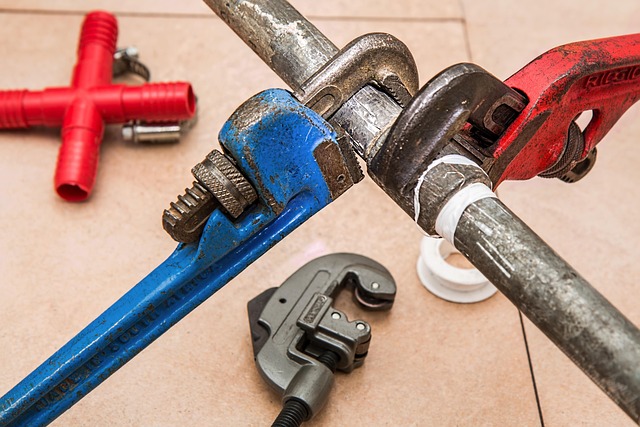
Understanding your car’s air filter is a crucial aspect of maintaining optimal vehicle performance and efficiency. The air filter plays a vital role in ensuring clean and adequately filtered air reaches the engine. It prevents contaminants like dust, dirt, pollen, and other debris from entering the combustion chamber, thereby enhancing engine life and fuel economy. There are primarily two types of air filters: reusable (washable) and disposable (replaceable). Reusable filters, as the name suggests, can be cleaned and reused multiple times after proper washing and drying. This option is cost-effective for those who prefer a more eco-friendly approach to auto maintenance. On the other hand, disposable filters are designed for one-time use and must be replaced regularly according to the vehicle manufacturer’s recommendations.
When it comes to selecting the right air filter, it’s essential to consider factors such as climate, driving conditions, and vehicle age. For instance, in regions with high pollen counts, a high-efficiency particulate air (HEPA) filter may be necessary to capture finer particles effectively. Conversely, drivers who frequently traverse dusty areas might benefit from a more robust filter designed to withstand harsh environmental conditions. Regularly checking your car’s air filter is also crucial. A dirty or clogged filter can restrict airflow, leading to reduced fuel efficiency and even engine damage over time. For those comfortable with DIY auto repairs, replacing the air filter is often a straightforward process that can be accomplished with minimal tools and resources. Similar to fixing a low tire pressure or performing a diy engine oil change, this task involves simple steps like locating the filter, removing it, cleaning or replacing it as needed, and securing it back in place.
However, if you encounter issues such as a misfiring engine (1-3 times) or unusual noises during driving, it might be an indication of a problematic air filter or other related components. In such cases, professional assistance is recommended to ensure thorough diagnosis and repair. Remember, proper maintenance, including timely air filter replacement, contributes significantly to the overall health and longevity of your vehicle’s engine, ensuring smooth operation and minimizing unexpected breakdowns.
Gather Tools & Materials for Replacement

When it comes to maintaining your vehicle’s efficiency and performance, regular maintenance tasks like replacing the air conditioning filter are crucial. This DIY auto repair is a relatively straightforward process that can significantly impact your car’s cooling system’s effectiveness. The first step in this endeavor is gathering the necessary tools and materials.
Start by collecting high-quality replacement filters suitable for your vehicle make and model. Look for filters designed for optimal airflow and dust filtration to ensure clean, fresh air throughout your cabin. A common tool required for this task is a filter removal key or pliers, which help loosen the filter’s securement without damaging it or the surrounding components. Don’t forget gloves to protect your hands from any debris or allergens that might be present in the old filter.
Consider this process as part of a broader DIY approach to car maintenance. For instance, a diy timing belt replacement guide can offer insights into engine care while restoring an old car interior requires similar meticulous attention to detail. Even addressing a misfiring engine—a common issue that may occur 1-3 times before requiring professional diagnosis—can be prevented with regular filter changes and overall vehicle upkeep. With the right tools, materials, and a step-by-step approach, replacing your air conditioning filter becomes an accessible task for car enthusiasts looking to maintain their vehicles independently.
Locate Your Vehicle's Air Filter: A Step-by-Step Guide

Locate Your Vehicle’s Air Filter: A Step-by-Step Guide
Identifying your vehicle’s air filter is the first step in any DIY auto repair, much like locating a leaky faucet before fixing it or knowing where to change the oil yourself. The air filter, usually found in the engine compartment, is designed to keep contaminants out of your car’s engine. It’s a crucial component that can significantly impact your vehicle’s performance and fuel efficiency. To locate yours, start by opening the hood and scanning the engine bay. Look for a box-like structure with a plastic or paper filter inside—this is often supported by a metal frame and secured with clamps or screws.
In many cars, the air filter housing sits near the engine, sometimes behind a cover or accessory. For instance, if you’re attempting a diy headlight restoration or a diy brake rotor replacement, the path to these components might lead you directly to the air filter. Once found, take note of how it’s attached—this will guide your removal process. Some filters slip out easily, while others require unscrewing or unclamping. Always refer to your vehicle’s manual for specific instructions, as design variations can exist between makes and models.
When replacing your air filter, consider the options available. High-quality, synthetic filters offer improved performance and longer lifespan compared to traditional paper ones. They’re particularly beneficial if you frequently drive in dusty conditions or haven’t changed your oil recently (like when learning how to change oil yourself). Just as importantly, ensure that the replacement filter matches your vehicle’s specifications for size, shape, and flow rating. Proper installation is key; follow the same removal steps but ensure a secure fit to avoid air leaks. Regularly replacing your air filter—ideally every 15,000 to 30,000 miles or as recommended by your manufacturer—is an easy yet essential DIY auto repair that can save you time and money.
Safely Remove the Old Air Filter: DIY Auto Repairs
Removing an old air filter is a crucial step in maintaining your vehicle’s efficiency, much like how changing oil yourself or replacing brake rotors can significantly impact performance. It’s a relatively simple process, but it requires precision to ensure proper replacement. Start by locating the air filter, often found in the engine compartment—it’s usually rectangular and secured by a plastic or metal frame. Next, gather the necessary tools: a new air filter of the correct size, a flathead screwdriver (if your filter is secured with screws), and possibly a pair of pliers for tighter filters.
With safety in mind, ensure the engine is off and cool to touch before proceeding. Remove any plastic or metal covers securing the filter, being mindful of where they belong for proper reinstallation. If screws are involved, unscrew them counterclockwise, applying gentle pressure to avoid damaging the threads. For more stubborn filters, use a pair of pliers to gently pry it out, being careful not to tear the protective paper. Once removed, inspect the old filter—if it’s dirty or damaged, you’ll notice dust or debris clinging to it; this is a sign that a replacement is due.
Now, insert the new filter, ensuring it fits securely in place. Double-check its orientation; some filters have a directional arrow that must align with the airflow. Reattach any covers and tighten screws as needed. This simple DIY auto repair can make a big difference in your vehicle’s performance and longevity, similar to how replacing a door seal or keeping up with regular oil changes contributes to overall health. Remember, proper filtration keeps your engine running smoothly, ensuring miles upon miles of efficient driving.
Install a New Filter: Effective Tips & Tricks

Replacing your car’s air conditioning (AC) filter is a straightforward task that can significantly impact your vehicle’s performance and comfort. It’s a DIY auto repair that anyone can tackle with the right tools and a few simple steps. The process involves removing the old, clogged filter and installing a fresh one, ensuring optimal airflow and cooling efficiency.
When selecting a new AC filter, it’s crucial to choose one that fits your vehicle perfectly. Different cars require filters of various sizes and types. For instance, some modern vehicles may use high-efficiency particulate (HEPA) filters for improved air quality. Ensure you consult your car’s owner manual or seek expert advice at an auto parts store to select the appropriate filter for your make and model. A well-fitted filter ensures proper airflow, preventing air leaks that could lead to problems like a faulty car battery charging or even a flat tire.
The installation process typically involves locating the AC filter housing, usually beneath the hood or in the cabin, depending on your vehicle. Then, you’ll remove the old filter by unscrewing or uncliping it. It’s wise to keep the old filter in good condition for future reference and to note its size and type. Once removed, insert the new filter, ensuring it’s securely fastened. After installation, turn on the AC to test its performance, verifying that the air flow is steady and cool. Regularly replacing your AC filter, following manufacturer recommendations, can save you from more significant repairs, such as a fixed low tire pressure due to blocked airflow.
Test & Maintain: Ensuring Optimal Air Quality

Regularly testing and maintaining your air conditioning (AC) filter is a crucial step in ensuring optimal air quality within your vehicle. This process involves several key steps that are easily manageable for car owners who want to take control of their vehicle’s health. Firstly, it’s essential to select the right AC filter for your car, which often depends on the make and model. Many modern vehicles come equipped with high-efficiency particulate air (HEPA) filters, designed to capture a significant percentage of pollutants, including dust, pollen, and even some odors.
To maintain optimal performance, it’s recommended to test your AC filter at least every 3–6 months or as per the vehicle manufacturer’s guidelines. This can be done using readily available test kits that check for restrictions in the air flow. If the filter is clogged, it restricts airflow, which not only reduces cooling efficiency but also increases energy consumption and costs. A simple DIY auto repair like this allows you to address issues early on, preventing more serious problems such as excessive mold growth or reduced cabin air quality. For instance, a study by the Environmental Protection Agency (EPA) found that dirty air filters can cause a 12% increase in fuel consumption—a significant expense over time.
In addition to testing, proper maintenance involves periodic cleaning or replacement of your AC filter, depending on its type and usage. Some filters are designed for single-use and must be replaced at regular intervals (e.g., every 5,000–10,000 miles). Others can be cleaned and reused. Regular tire rotation instructions and car battery charging problems often go hand in hand with AC filter maintenance, as they all contribute to the overall health of your vehicle’s systems. For instance, when replacing or cleaning an AC filter, consider it a great opportunity to check other fluid levels and components, such as your car battery, ensuring everything is running optimally.
By following the step-by-step guide outlined in this article, you now possess the knowledge to effectively replace your car’s air filter. Understanding the importance of regular filter changes, as well as the various types and their functions, empowers you to make informed decisions for optimal vehicle performance and improved cabin air quality. The process, detailed through select DIY auto repairs, demonstrates that with the right tools and materials, a simple yet crucial maintenance task can be accomplished independently. Moving forward, remember the value of regular filter checks and timely replacements, ensuring your car remains in peak condition while enhancing passenger comfort.
About the Author
Dr. Emily Taylor is a renowned HVAC specialist with over 15 years of experience in energy-efficient solutions. She holds a Master’s in Mechanical Engineering and is certified by the American Society of Heating, Refrigerating, and Air-Conditioning Engineers (ASHRAE). As a contributing author for The Energy Journal, she shares insights on sustainable practices. Her expertise lies in optimizing air conditioning systems, ensuring efficiency and indoor air quality through proper filter replacement techniques. Taylor is actively engaged on LinkedIn, offering practical tips to homeowners and professionals alike.
Related Resources
Here are some authoritative resources for an article on replacing an air conditioning filter:
Energy.gov (Government Portal): [Offers clear guidelines and energy-saving tips for various home systems, including AC.] – https://www.energy.gov/
Carbonsimple (Environmental Organization): [Provides educational content and resources to promote sustainable living practices, including HVAC maintenance.] – https://carbonsimple.org/
ASE (Automotive Service Excellence) (Industry Association): [Offers training and certification for auto technicians, including specialized AC repair and filter replacement guidance.] – https://www.ase.com/
Harvard T.H. Chan School of Public Health (Academic Study): [Presents research-backed insights into the health benefits of proper indoor air quality, emphasizing filter importance.] – https://www.hsph.harvard.edu/news/hsph-in-the-news/air-quality-filters-can-cut-asthma-symptoms/
EPA (Environmental Protection Agency) (Government Agency): [Provides regulations and guidelines for HVAC systems, including filter standards and maintenance practices.] – https://www.epa.gov/
ASHRAE (American Society of Heating, Refrigerating and Air-Conditioning Engineers) (Professional Organization): [Offers industry standards, research, and publications on HVAC design, operation, and maintenance, including filter replacement best practices.] – https://ashrae.org/