

Spark plugs are crucial for engine performance and efficiency. High-quality plugs enhance power, fuel economy, and reduce emissions. Faulty plugs lead to poor performance and increased pollution. For DIY auto repairs, select the right spark plugs based on vehicle make, model, driving habits, environmental conditions, and manufacturer recommendations (typically every 30,000-100,000 miles). Regular maintenance, including timely plug replacements, prevents diagnostic issues and ensures optimal engine health. Integrate spark plug checks into routine maintenance for longer vehicle lifespan and improved performance.
In the realm of DIY Auto Repairs, understanding the intricacies of your vehicle’s engine is key to ensuring optimal performance and longevity. One often overlooked yet critical component are spark plugs—the catalysts that ignite the fuel mixture in your car’s combustion chamber. Over time, these plugs can degrade, leading to reduced engine efficiency, increased emissions, and even damage to vital components. This comprehensive guide aims to empower automotive enthusiasts and regular drivers alike with a thorough exploration of spark plug replacement, providing clear instructions and expert insights for a seamless DIY experience.
- Understanding Spark Plugs: Function & Importance
- Select the Right Replacement Spark Plugs
- Tools Needed for DIY Auto Repairs
- Step-by-Step Guide to Replacing Spark Plugs
- Best Practices & Tips for Longevity
Understanding Spark Plugs: Function & Importance
Understanding Spark Plugs: Function & Importance
Spark plugs play a critical role in the internal combustion engine, serving as the spark that ignites the fuel and air mixture inside each cylinder. This fundamental process is essential for generating power and propelling your vehicle forward. High-quality spark plugs ensure optimal performance, fuel efficiency, and minimal emissions. Conversely, faulty or degraded spark plugs can lead to a host of issues, including decreased engine power, reduced fuel economy, and increased pollution output.
Consider the spark plug as the igniter in an intricate dance that involves fuel injection, compression, and electrical energy. When you turn the key or press the starter button, electricity flows through the ignition coil, reaching the spark plug via a high-voltage wire. This sparks the compressed mixture within the cylinder, causing a rapid expansion of gases that pushes against the piston, generating power. The life and performance of this critical component directly impact the overall health of your engine, making regular maintenance and replacement vital.
Selecting the right spark plugs for your vehicle is crucial, especially when undertaking DIY auto repairs. Factors like engine type, operating conditions, and desired performance levels should guide your choice. For instance, high-performance vehicles or those operating in extreme environments may require premium spark plugs designed to handle higher heat and pressure. Regular maintenance checks, such as inspecting spark plug wires for cracks or corrosion, can help prevent unexpected failures. Moreover, learning essential DIY tasks like car brake bleeding or timing belt replacement can complement your knowledge of spark plug maintenance, enabling you to perform critical repairs independently and save on service costs.
Select the Right Replacement Spark Plugs

Selecting the appropriate replacement spark plugs is a crucial step in any DIY auto repair project, ensuring optimal engine performance and longevity. When it comes to choosing new spark plugs, consider these expert tips. First, assess your vehicle’s make and model to identify the correct spark plug type and size. Many modern vehicles have specific requirements, so checking the owner’s manual or consulting a professional mechanic is advisable. For instance, some cars may require platinum-tipped plugs for enhanced durability, while others might benefit from copper or iridium designs.
Next, evaluate your driving habits and environmental factors. High-performance drivers who frequently push their engines hard may need high-energy spark plugs capable of withstanding extreme conditions. Conversely, those who primarily commute in stop-and-go traffic can opt for standard or even economy-rated plugs, as they experience less wear and tear. Additionally, regions with harsh climates should consider spark plugs designed for cold starts or prolonged exposure to moisture. For example, drivers in snowy areas might benefit from plugs that resist fouling, ensuring reliable ignition even under adverse conditions.
Regular maintenance is key. Following manufacturer recommendations, replace your spark plugs at the prescribed intervals, typically every 30,000 to 60,000 miles or so. Ignoring this schedule can lead to reduced engine efficiency and potential damage. Moreover, if you’ve recently performed other DIY engine oil changes or replaced a broken taillight lens, it’s an excellent opportunity to also replace the spark plugs as part of your routine maintenance. This proactive approach ensures that all critical components are in top condition, promoting the smooth operation of your vehicle.
Tools Needed for DIY Auto Repairs

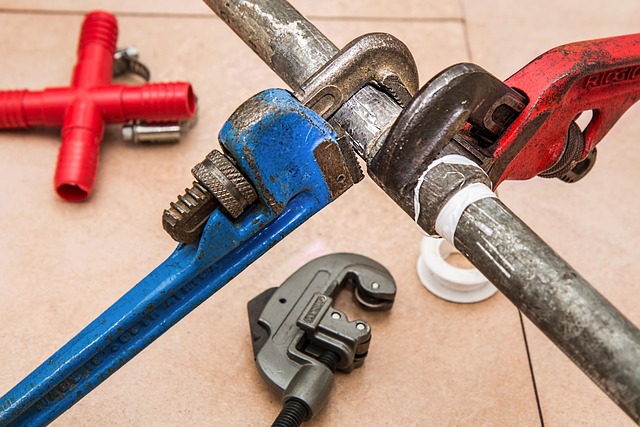
When tackling DIY auto repairs, especially those involving engine health, one of the fundamental tasks is learning how to replace spark plugs. This process, while seemingly straightforward, requires a strategic approach and the right tools to ensure success. The typical toolkit for such an endeavor includes basic automotive sockets, ratchets, wrenches, and pliers—essentials for any car owner seeking to maintain their vehicle independently.
Selecting the appropriate tools is paramount when considering DIY auto repairs. For spark plug replacement, a set of adjustable wrenches or socket sets in various sizes can be particularly useful as spark plugs are known to vary in size across different vehicle models. Additionally, a torque wrench is highly recommended to ensure you don’t overtighten the new spark plugs, which could cause damage. Many modern vehicles also have unique, specialized tools required for specific plug types and access points, so checking your owner’s manual beforehand can save time and frustration. For instance, some cars may necessitate a special socket or extractor due to their engine design.
Another critical aspect to keep in mind is that a correctly functioning set of spark plugs is crucial for optimal fuel combustion, thereby enhancing performance and reducing emissions. Furthermore, regular spark plug checks as part of your routine maintenance can help prevent the check engine light diagnostic from coming on, which often stems from related issues like car battery charging problems occurring 1-3 times annually in vehicles with aging or compromised spark plugs. By familiarizing yourself with the process of replacing spark plugs without tools and maintaining them accordingly, you can foster a more reliable and efficient vehicle, all while saving on potential repair costs.
Step-by-Step Guide to Replacing Spark Plugs

Replacing spark plugs is a fundamental aspect of vehicle maintenance that many car owners can undertake as a DIY project. This guide offers a step-by-step approach to ensure the task is performed correctly and safely. First, gather the necessary tools, including a new set of spark plugs compatible with your vehicle model, a socket wrench or ratchet set, and protective gear like gloves and safety glasses. Ensure you work on a level surface and engage the parking brake for stability.
Start by locating the spark plugs, typically accessible through the engine compartment. On many modern cars, this process is straightforward due to easily removable plug caps. Remove the cap and then carefully extract the old spark plug using the appropriate socket. Take note of the plug’s position and orientation—some vehicles have specific firing orders that must be maintained. Once all plugs are removed, clean the combustion chamber area to prevent debris buildup. This step is crucial, especially if you’re addressing issues like misfiring or reduced engine performance.
Now, insert the new spark plugs, ensuring they align correctly with the chamber’s design. Tighten them securely but avoid excessive force, as over-tightening can damage threads. After replacing all plugs, check for any leaks and top up engine oil if necessary. It’s also a good time to consider related maintenance tasks like a diy oil pan drain and refill or replacing door seals. Regular spark plug replacements, along with proper care, can significantly contribute to your vehicle’s longevity, performance, and overall efficiency, especially when combined with other DIY repairs such as fixing a blown head gasket.
Best Practices & Tips for Longevity
Extending the lifespan of your vehicle’s spark plugs involves a combination of selecting the right replacement parts, proper installation techniques, and regular maintenance practices. When choosing new spark plugs, DIY auto repairs enthusiasts should consider both the engine’s make and model alongside its specific operating conditions. For instance, high-performance vehicles or those used for frequent towing might require premium spark plugs designed to handle increased heat and pressure. Conversely, everyday drivers could benefit from more economical options with long-life ratings.
Regularly inspecting your spark plugs—typically every 30,000 to 60,000 miles or as recommended by your vehicle manufacturer—is crucial. This proactive approach allows you to identify worn, fouled, or misaligned plugs before they contribute to engine performance issues like a misfiring engine. If you notice carbon buildup, damaged electrodes, or other signs of wear, it’s time for replacement. Fix a misfiring engine early through prompt plug checks and replacements to avoid more severe mechanical problems down the line.
For those tackling DIY brake rotor replacements or other maintenance tasks, keeping an eye on spark plugs is a natural extension. These components work in harmony with your car’s braking system and overall engine health. When performing a car brake bleeding DIY, for example, ensure that new spark plugs are installed alongside fresh brake fluid to optimize performance. Regularly replacing spark plugs according to manufacturer guidelines, typically every 40,000 to 100,000 miles, can enhance fuel efficiency and overall engine longevity, making them a core part of any vehicle maintenance regimen.
By following this comprehensive guide, you now possess the knowledge to successfully replace your spark plugs through DIY auto repairs. Key takeaways include understanding the vital role of spark plugs, knowing how to select the right replacement for your vehicle, and mastering the step-by-step process. Best practices emphasized the importance of regular maintenance, proper tool selection, and safety precautions. By adhering to these guidelines, you can enhance engine performance, improve fuel efficiency, and prolong the lifespan of your vehicle’s ignition system. Armed with this authoritative information, you’re ready to tackle spark plug replacements confidently and effectively.