

Select DIY auto repairs significantly enhance gas mileage through targeted interventions like repairing leaks, replacing electrical components, and addressing aerodynamic issues. Regular maintenance, including fluid changes and tire pressure checks, compounds savings over time. Informed, strategic choices in DIY repairs improve vehicle performance and economy while promoting sustainability.
In today’s world, where fuel costs continue to rise, improving your vehicle’s gas mileage is more than just a financial consideration—it’s an essential step towards sustainability. The average driver spends a significant portion of their budget on gasoline, making every mile traveled count. Moreover, reducing fuel consumption benefits the environment by decreasing greenhouse gas emissions. This article provides a comprehensive guide on how to enhance your gas mileage through DIY auto repairs and modifications. By selecting the right strategies, you can navigate the path towards better fuel efficiency, ensuring both cost savings and environmental stewardship.
- Understanding Your Vehicle's Fuel Efficiency
- Practical DIY Techniques for Better Mileage
- Selecting Efficient Auto Repairs: A Comprehensive Guide
Understanding Your Vehicle's Fuel Efficiency
Improving your vehicle’s gas mileage isn’t just about making economic sense; it contributes to a more sustainable future. A crucial step in this journey is understanding your car’s fuel efficiency. Every vehicle, like a snowflake, has unique characteristics that affect its performance and consumption. To optimize your gas mileage, you must first grasp these dynamics. One effective approach involves selecting DIY auto repairs tailored to your car’s needs.
Consider the role of your muffler—a critical component in exhaust systems. A damaged or faulty muffler can significantly impact fuel efficiency due to increased backpressure. Performing a diy muffler repair not only enhances performance but also saves gas. For instance, according to the U.S. Department of Energy, repairing or replacing a leaky muffler can improve fuel economy by up to 12%. This is because the efficient flow of gases promotes better combustion and reduces drag.
Another vital area is your car’s electrical system. DIY car electrical repairs can play a surprising role in boosting mileage. Issues like faulty sensors or misfiring spark plugs can trigger the check engine light, leading to reduced fuel efficiency. Addressing these problems through select DIY repairs can lead to significant gains. For example, replacing worn-out ignition coils or cleaning dirty fuel injectors—both common DIY tasks—can improve your car’s performance and fuel economy by 3-5%, according to automotive experts.
Moreover, understanding how to interpret your car’s diagnostic codes is essential. A check engine light diagnostic can reveal a range of issues, from simple sensor problems to more complex mechanical defects. Promptly addressing these through DIY or professional repairs ensures optimal fuel efficiency. Regular maintenance, including fluid changes and tire pressure checks, also contributes to better mileage. These seemingly small actions compound over time, ensuring your vehicle runs efficiently, saving you money, and reducing your environmental footprint.
Practical DIY Techniques for Better Mileage

Improving your vehicle’s gas mileage isn’t just about saving money at the pump; it also contributes to reduced emissions and a healthier environment. Beyond fuel injection systems and advanced engine technologies, numerous DIY techniques can significantly enhance your car’s fuel efficiency. One of the most effective yet often overlooked areas is regular maintenance. A simple oil change or air filter replacement can lead to better mileage by ensuring your engine operates smoothly. For instance, according to the Environmental Protection Agency (EPA), maintaining proper tire pressure and keeping your vehicle’s engine tuned can save up to 3% on fuel consumption.
DIY brake rotor replacement is another strategic approach. Worn-out rotors increase braking distance, leading to more frequent stops and starts, which negatively impacts fuel economy. Regularly inspecting and replacing rotors not only improves safety but also contributes to better mileage. Similarly, restoring old car interiors can seem like a minor task, but it has a significant impact. Heavier fabrics and upgraded materials in newer vehicles may improve comfort but come at the cost of increased weight, leading to higher fuel consumption. By keeping your interior simple and lightweight, you can make a noticeable difference in gas mileage.
Fixing a misfiring engine is crucial for maintaining optimal fuel efficiency. A misfire can cause an engine to consume more fuel than necessary, leading to reduced mileage. This issue often arises from faulty spark plugs or wires, which are relatively inexpensive to replace. Regular checks and timely repairs not only improve your car’s performance but also ensure you’re getting the most miles out of every gallon of gas. Furthermore, DIY enthusiasts can explore other enhancements like adding a fuel-saving chip (while ensuring it’s legal in their region), keeping windows closed during high-speed drives to reduce drag, and optimizing tire pressure for better grip and efficiency.
Selecting Efficient Auto Repairs: A Comprehensive Guide
Selecting efficient auto repairs is a crucial step in enhancing your vehicle’s gas mileage. As a DIY enthusiast, you have the power to make informed decisions that can significantly improve your car’s performance and fuel efficiency. The key lies in understanding which repairs offer the best return on investment in terms of gas savings. For instance, regularly performing tasks like a DIY transmission fluid change can extend the life of your transmission and optimize shifting, thereby improving overall mileage. According to a study by the Environmental Protection Agency (EPA), well-maintained vehicles can achieve up to 40% better fuel economy than those with neglected maintenance.
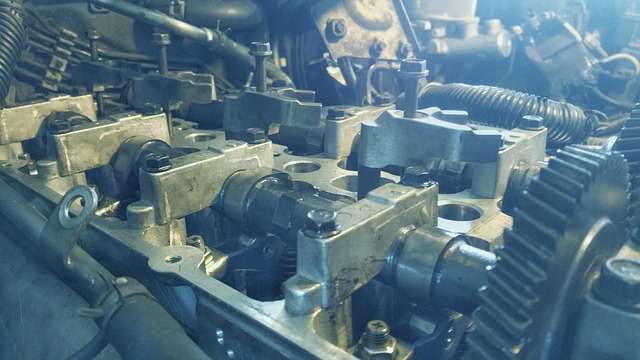
Focus on fundamental repairs that address common issues affecting gas mileage. Fixing a blown head gasket, for example, is a crucial repair that prevents engine leaks and ensures efficient combustion. This simple yet effective fix can lead to substantial improvements in fuel efficiency, especially in older vehicles. Conversely, repairing a dented fender promptly isn’t directly linked to gas savings, but it does ensure better aerodynamic performance, indirectly contributing to improved mileage at higher speeds. By prioritizing these essential DIY auto repairs, you not only enhance your vehicle’s longevity but also make practical steps towards saving money on fuel.
Additionally, keeping an eye out for opportunities to simplify and streamline your car care routine is vital. Incorporating regular maintenance tasks like oil changes, air filter replacements, and tire pressure checks into your schedule ensures your vehicle operates at peak efficiency. These seemingly small efforts compound over time, leading to notable improvements in gas mileage. Remember, the goal isn’t just to select DIY auto repairs but also to adopt a proactive and informed approach to car care that pays dividends in both performance and economy.
By understanding your vehicle’s fuel efficiency and implementing practical DIY techniques, you can significantly improve gas mileage. Key insights include optimizing driving habits, such as maintaining a steady speed and minimizing abrupt maneuvers, which can enhance fuel efficiency. Additionally, regular maintenance, like keeping tires properly inflated and replacing air filters, plays a crucial role. Selecting DIY auto repairs, including basic maintenance tasks, not only saves costs but also empowers you to take control of your vehicle’s performance. This article equips readers with the knowledge to make informed decisions, ultimately leading to better fuel economy and reduced environmental impact.