

Maintaining your vehicle requires a balanced approach combining DIY auto repairs and professional care. Regular tune-ups (every 3,000-5,000 miles/6 months) focus on critical components like oil changes, filters, spark plugs, belts, and electrical systems. Prioritize tasks based on safety, performance, and reliability. Select DIY auto repairs for simple issues like tire pressure checks, oil changes, brake pad inspections, and headlight restoration. Implement proactive measures such as monitoring fuel efficiency, checking exhaust systems, and using onboard diagnostic tools to identify early trouble codes. Key strategies include battery maintenance, fluid management, and regular scanning for check engine light codes. This comprehensive approach ensures optimal vehicle performance, longevity, and cost-effectiveness.
Maintaining your vehicle through regular tune-ups is an investment in safety and reliability. However, keeping track of a schedule can be challenging, leading to potential issues down the line. This article serves as a comprehensive guide, offering insights into why DIY auto repairs for basic tune-up tasks are not only feasible but also beneficial. We’ll walk you through essential intervals and reminders, empowering you to stay proactive in ensuring your vehicle’s optimal performance. By the end, you’ll be equipped with the knowledge to keep your car in top shape naturally.
- Understanding Your Vehicle's Needs: Essential Tune-Up Intervals
- DIY Auto Repairs: Selecting Tasks for Regular Maintenance
- Creating a Personalized Schedule: Tips for Consistent Care
- Common Issues: Addressing Early Warning Signs Effectively
- Advanced Strategies: Maximizing Longevity Through Proactive Tuning
Understanding Your Vehicle's Needs: Essential Tune-Up Intervals
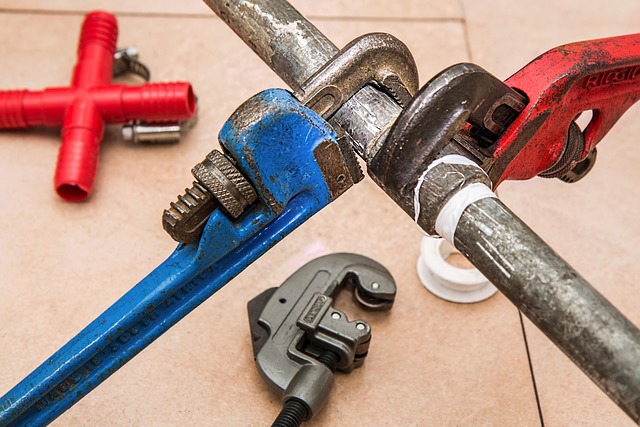
Understanding your vehicle’s needs is crucial for maintaining optimal performance and longevity. A well-maintained car doesn’t just run smoother; it also saves you from costly unexpected repairs. Regular tune-ups are a proactive approach to automotive care. While many tasks can be tackled with DIY auto repairs, certain essential components require professional attention or specialized tools. For instance, an engine tune-up at home might be feasible for those comfortable with basic mechanics, but complex systems like modern vehicles’ ECUs (Engine Control Units) often demand expert hands.
Consider these as general guidelines: every 3,000 to 5,000 miles or every six months, whichever comes first. However, high-performance vehicles or those used for strenuous tasks might need more frequent attention. During tune-ups, focus on key areas like engine oil and filter changes, air and fuel filters, spark plugs, and belts. A comprehensive check should also include a look at your car’s electrical system—a potential source of hidden issues. For instance, a faulty alternator can lead to undercharged batteries, affecting various systems, from power windows to your car window tint installation.
Beyond the routine, there are specific repairs that fall into the ‘DIY if comfortable’ category. Repairing a dented fender, for example, can be accomplished with some skill and the right tools. Yet, complex body work or intricate paint jobs are best left to professionals. Similarly, while many car owners feel empowered to change their own oil, performing an engine tune-up at home requires specialized knowledge and equipment. It’s about balancing convenience with safety and effectiveness. Regularly scheduled appointments with a qualified mechanic ensure these critical components receive the attention they need.
DIY Auto Repairs: Selecting Tasks for Regular Maintenance
Regular maintenance is key to keeping your vehicle in top shape and preventing costly repairs. While some tasks are best left to professional mechanics, many car owners can tackle certain jobs themselves as part of a DIY auto repair regimen. This proactive approach not only saves money but also empowers you to better understand your vehicle’s inner workings. A well-maintained car runs more efficiently, reduces environmental impact, and ensures safer driving.
When planning your tune-up schedule, consider prioritizing tasks based on their impact on safety, performance, and reliability. For instance, addressing car battery charging problems early can prevent sudden breakdowns and ensure a consistent start. Similarly, fixing a cracked windshield promptly not only enhances visibility but also prevents air leakage, affecting fuel efficiency. Regularly inspecting and replacing brake pads is another crucial DIY auto repair. This simple step significantly improves braking performance and safety, especially in older vehicles. Remember, a comprehensive tune-up schedule includes both routine checks and specific repairs like these.
A balanced approach involves setting aside dedicated time for maintenance and learning the basics of DIY auto repairs. Online resources and detailed guides can walk you through tasks such as changing oil, checking tire pressure, and even performing basic engine diagnostics. For instance, a DIY brake pad replacement guide offers step-by-step instructions, ensuring safety and accuracy. This hands-on experience not only enhances your vehicle’s performance but also builds confidence in tackling future maintenance issues. With the right knowledge and tools, you can keep your car running smoothly between professional services.
Creating a Personalized Schedule: Tips for Consistent Care

Creating a personalized tune-up schedule is an essential aspect of responsible car ownership, ensuring your vehicle receives consistent care to maintain optimal performance and longevity. It involves understanding your car’s specific needs and incorporating regular maintenance tasks that often extend beyond traditional services. This proactive approach empowers you to select DIY auto repairs suitable for your skills and comfort level while also identifying areas where professional assistance may be necessary.
A tailored schedule should incorporate a mix of preventive measures and condition-based maintenance. For instance, regular DIY tasks such as checking tire pressure, changing oil, and inspecting brake pads are crucial. Additionally, specific DIY car care practices like headlight restoration can significantly enhance visibility and safety, especially during the colder months when conditions may be less than ideal. Similarly, restoring old car interiors not only improves aesthetics but also helps maintain comfort levels and keeps your vehicle’s resale value higher.
Furthermore, learning basic wheel alignment tips through DIY resources allows you to catch potential issues early on. Proper alignment ensures better fuel efficiency, reduced tire wear, and improved handling, which can save costs in the long run. Regularly monitoring these aspects, perhaps every 5,000-10,000 miles or as recommended by your vehicle’s manufacturer, will contribute to your overall maintenance strategy. By balancing self-service tasks with expert interventions, you can create a comprehensive tune-up schedule that keeps your car running smoothly and efficiently.
Common Issues: Addressing Early Warning Signs Effectively

Regular maintenance is key to keeping your vehicle running smoothly, and addressing common issues early can prevent more serious problems down the line. One of the most effective strategies is to stay on top of your tune-up schedule, which includes performing a range of tasks that many car owners can easily do themselves – think of it as preventive care for your car.
One of the earliest warning signs often ignored is a decrease in fuel efficiency. This could be due to a number of factors, but a simple solution like replacing your air filter (a DIY auto repair many are capable of) can make a significant difference. According to a study by AAA, a clean air filter can improve gas mileage up to 10%. Neglecting this simple task could lead to more costly engine issues further down the road. Similarly, regularly checking and changing your engine oil – another select DIY auto repair – is crucial. The American Automobile Association (AAA) recommends changing it every 5,000 miles or three months, whichever comes first, to ensure optimal engine performance and longevity.
Another common issue that often goes unnoticed until it becomes a major problem is an exhaust leak. A loose or damaged exhaust pipe can lead to reduced engine power and increased fuel consumption, as well as potentially harmful emissions. Fortunately, repairing a loose exhaust pipe (another DIY option) is usually straightforward and affordable. Regularly inspecting your exhaust system for any signs of damage, corrosion, or leaks should be part of your routine maintenance, ensuring not only the safety of your vehicle but also contributing to better environmental practices by minimizing harmful emissions.
Advanced Strategies: Maximizing Longevity Through Proactive Tuning

Regularly scheduled tune-ups are a fundamental aspect of maximizing your vehicle’s longevity and performance. While many owners opt for professional services, embracing DIY auto repairs can be both cost-effective and rewarding. For those seeking advanced strategies, proactive tuning offers immense benefits. By implementing simple yet powerful techniques, such as a regular transmission fluid check, you can significantly extend the life of your car’s most critical components.
A key indicator to watch is the check engine light. Many modern vehicles are equipped with sophisticated diagnostic systems that provide valuable insights into potential issues. Regularly scanning for trouble codes not only helps in identifying minor problems early but also allows for timely corrections, preventing more serious and costly repairs. For instance, a simple sensor replacement or a flush of the cooling system could resolve the issue without necessitating a complete overhaul.
Car battery replacement is another vital aspect often overlooked until it’s too late. A well-maintained battery ensures your vehicle starts reliably and supports the efficient operation of electrical systems. Experts recommend inspecting batteries every six months, checking for corrosion, and ensuring terminals are clean. Early indications of battery degradation, such as slower cranking or dim lighting, should prompt action. Replacing a battery before it fails completely can save you from being stranded and minimize potential damage caused by a failing power source.
Additionally, proactive tuning involves addressing fluid levels and quality. Transmission fluid, for example, needs periodic checks to ensure the smooth operation of your car’s gearbox. Using the vehicle manual as a guide, owners should regularly monitor and top up fluids, preventing excessive wear and tear on internal components. Similarly, keeping an eye on engine oil levels and changing it at recommended intervals ensures optimal performance and longevity, reducing the risk of costly engine damage.
By understanding your vehicle’s needs and following a structured tune-up schedule, you can ensure optimal performance and longevity. The article has equipped readers with essential knowledge on various aspects of vehicle maintenance, including recognizing when DIY auto repairs are necessary. Key takeaways include customizing your tune-up intervals based on your car’s age and mileage, addressing common issues promptly to prevent major breakdowns, and adopting proactive strategies for maximum efficiency. Select DIY Auto Repairs as a valuable skill to stay ahead of maintenance, save costs, and keep your vehicle in top shape. This comprehensive guide serves as a reliable authority, empowering you to take control of your car’s care and driving experience.