
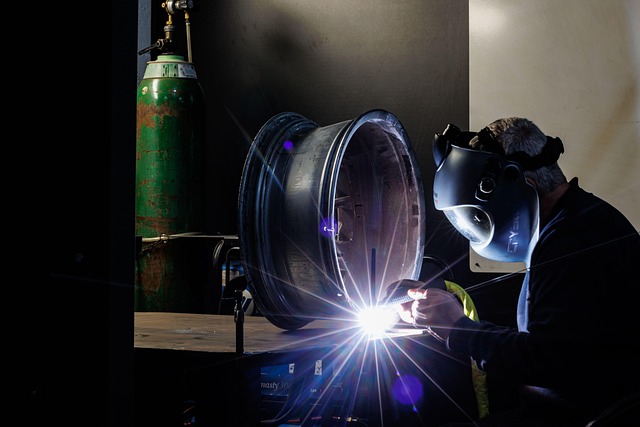
Optimizing car performance at home through select DIY auto repairs offers significant cost savings and vehicle longevity. Key areas include tire pressure regulation, interior reupholstering, regular brake/suspension maintenance, lighting upgrades, engine oil changes, air filter replacements, radiator flushes, and addressing minor damages promptly. Online resources guide homeowners through various tasks, enhancing performance, safety, and driving experience while saving up to 30% on shop rates.
In the world of automotive enthusiasts, optimizing car performance is a never-ending quest. For those who enjoy tinkering with their vehicles at home, DIY auto repairs offer both a rewarding challenge and the potential for significant gains. However, navigating the complex landscape of engine tuning, suspension upgrades, and aerodynamic enhancements can be daunting. This article provides an authoritative guide to help you unlock your car’s full potential, focusing on practical, cost-effective solutions that empower you to transform your driving experience naturally.
- Assess Your Car's Needs: DIY Auto Repairs 101
- Essential Tools for Optimized Performance at Home
- Tuning Your Engine: Safe and Effective Adjustments
- Select DIY Oil Changes: Maximize Efficiency, Minimize Costs
- Upgrade Your Car's Aerodynamics for Better Mileage
Assess Your Car's Needs: DIY Auto Repairs 101
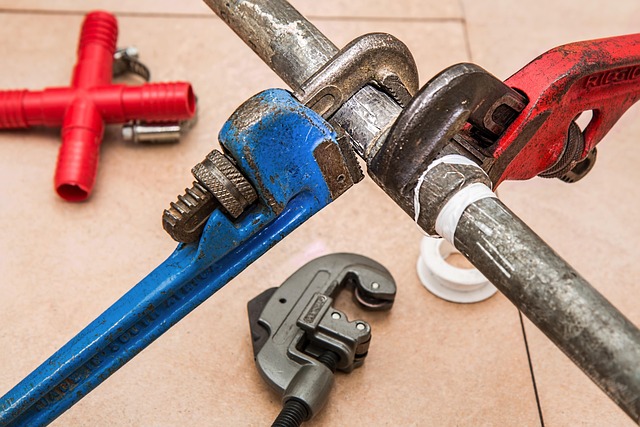
Optimizing car performance at home starts with a thorough understanding of your vehicle’s needs. Assessing these requirements, especially through select DIY auto repairs, can significantly enhance both efficiency and safety. The first step involves addressing basic yet crucial components like tire pressure. A low tire pressure not only hampers performance but also reduces fuel efficiency by up to 3%. Regular checks and adjustments using a quality tire gauge are essential, with many modern cars featuring digital displays for this purpose.
Interior restoration is another vital area that often goes overlooked. An old, worn-out car interior not only impacts the overall aesthetics but can also affect driver comfort and focus. Simple DIY repairs such as reupholstering seats or replacing cracked dashboard components can restore a vehicle’s charm. For instance, using specialized adhesives and materials, you can expertly fix a loose steering wheel, improving both grip and driving experience.
Beyond these, repairing and maintaining other key systems like brakes, suspension, and lighting are fundamental to ensuring peak performance. Many tasks, such as changing brake pads or replacing burnt-out bulbs, can be tackled by enthusiasts with the right tools and guidance. Online resources and DIY forums offer step-by-step instructions for various repairs, empowering car owners to take charge of their vehicle’s well-being. Embracing these DIY practices not only saves costs but also fosters a deeper connection with your ride.
Essential Tools for Optimized Performance at Home
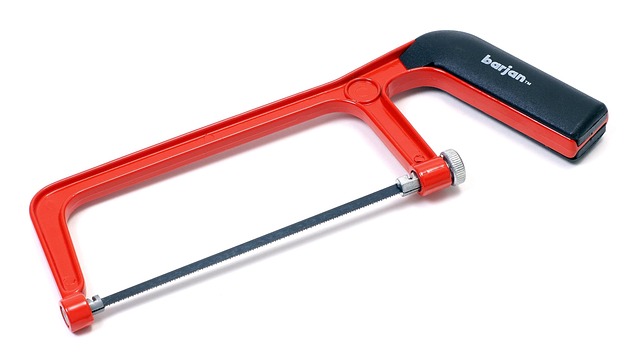
Optimizing car performance at home requires a well-equipped toolkit and a solid understanding of basic automotive repairs. While some tasks may seem daunting, many common issues can be addressed with DIY auto repairs. Among the essential tools for optimized performance are those that facilitate diagnostic and repair capabilities. A quality multimeter, for instance, allows you to measure voltage, current, and resistance, aiding in identifying faulty components like a blown head gasket. Additionally, a set of socket wrenches in various sizes is indispensable for tasks ranging from tightening bolts to repairing a loose exhaust pipe.
Another crucial tool is a set of pliers, which come in handy for a wide range of tasks including removing and replacing parts such as dented fenders. A jack and jack stands are also essential for safely lifting the vehicle during repairs, enabling access to underbody components. For instance, repairing a loose exhaust pipe or fixing a blown head gasket may require significant underneath work that’s easier and safer with these tools. Moreover, a set of high-quality shop rags is a must for cleaning and preparing surfaces before reassembling parts, preventing dirt and debris from compromising the repair.
While some repairs, like replacing an entire exhaust system, might be best left to professionals, many minor to moderate issues can be tackled at home with the right tools and a bit of know-how. For example, data from automotive forums shows that DIY auto repairs save owners up to 30% compared to shop rates for simple tasks like repairing a dented fender or replacing worn brakes. By investing in quality tools and learning basic repair techniques, car enthusiasts can not only enhance their vehicle’s performance but also extend its lifespan while saving money on unnecessary trips to the mechanic.
Tuning Your Engine: Safe and Effective Adjustments

Optimizing car performance at home involves a multifaceted approach, with engine tuning playing a crucial role. Safe and effective adjustments can significantly enhance your vehicle’s power output and efficiency. One of the simplest yet impactful DIY auto repairs is regular engine oil change. This process reduces friction within the engine, thereby improving its overall performance and longevity. Using high-quality synthetic oils can further boost these benefits, as they are more viscous and better at retaining their properties under high temperatures.
Another key area to consider is replacing your car’s air filter every 1-3 months, depending on driving conditions and climate. A dirty or clogged air filter restricts airflow, reducing engine power and fuel efficiency. Simple car battery charging techniques are also within the reach of most vehicle owners. Regularly checking and maintaining your car battery ensures a reliable source of power for starting and running your engine efficiently. Avoid letting your battery drain to prevent costly repairs and unexpected breakdowns.
For more advanced tuning, adjusting spark plugs or replacing the fuel pump can yield substantial gains in performance. However, these tasks require a higher level of technical expertise, and it’s essential to follow manufacturer guidelines carefully. For instance, improperly adjusted spark plugs can lead to misfires, reduced fuel efficiency, and even engine damage. As such, many owners opt for professional services for these DIY engine oil change and repair tasks, ensuring the work is done correctly and safely. Regular maintenance and informed adjustments are key to optimizing car performance in the comfort of your home garage.
Select DIY Oil Changes: Maximize Efficiency, Minimize Costs

Optimizing car performance at home involves a blend of proactive maintenance and DIY auto repairs. One area where homeowners can significantly make an impact is by taking control of essential services like oil changes. Regular oil changes are critical for keeping your engine healthy and efficient, yet they can be costly when done at a garage. By selecting DIY oil changes, you maximize efficiency while minimizing costs. This approach not only saves money but also empowers you to better understand and care for your vehicle.
Among various DIY auto repairs, performing a radiator flush is another valuable task. A buildup of sludge and sediment in the radiator can decrease cooling efficiency, leading to overheating and potential engine damage. Regular flushing helps maintain optimal engine temperature, thereby enhancing overall car performance. Similarly, repairing minor damages like a dented fender or a flat tire is not only cost-effective but also allows you to address issues promptly, preventing them from escalating into more complex (and expensive) problems. For instance, a flat tire repair kit can be a wise investment for quick fixes on the side of the road.
Following established DIY practices offers numerous benefits, including saving on labor costs and learning valuable car maintenance skills. For example, research suggests that regular oil changes can extend engine life by 50% or more. Moreover, understanding how to perform basic repairs like fixing a flat tire (steps include removing the wheel, loosening the lug nuts, pulling out the damaged tire, installing the spare, tightening the lug nuts securely) builds confidence and peace of mind while on the road. By embracing these DIY strategies, you not only optimize car performance but also gain greater independence and control over your vehicle’s upkeep.
Upgrade Your Car's Aerodynamics for Better Mileage
Optimizing your car’s aerodynamics is a powerful way to enhance performance and efficiency, often with relatively simple DIY auto repairs. In today’s digital era, many enthusiasts are turning to at-home tune-ups, including an engine tune-up, to take control of their vehicle’s capabilities. Start by examining the exterior; even small adjustments can make a significant difference. For instance, a DIY fuel filter change is not only cost-effective but also allows you to inspect and ensure the filter is in good condition, promoting optimal fuel flow.
Consider the impact of your car’s shape on its wind resistance—the smoother, the better. A simple yet effective upgrade could be installing a front splitter or rear spoiler designed to reduce drag. These additions are particularly beneficial for those who drive at higher speeds regularly, as they can improve mileage by up to 15%. Additionally, regular checks and replacements of essential components like your car battery (every 3-4 years) will support overall performance and prevent unexpected breakdowns.
The benefits extend beyond better mileage; improved aerodynamics can also contribute to enhanced handling and stability. For example, a well-tuned engine, achieved through DIY auto repairs focusing on the intake and exhaust systems, paired with optimal aerodynamics, can transform your car’s driving dynamics. This combination ensures your vehicle not only performs efficiently but also feels more responsive and agile on the road.
Remember that a holistic approach to car care is key. While upgrades like these can significantly impact performance, they should complement regular maintenance practices, including timely oil changes and tire rotations. By combining expert knowledge with DIY skillsets, you can unlock your car’s full potential and enjoy a more efficient, exhilarating driving experience.
By strategically addressing your car’s needs through Select DIY Auto Repairs, you gain significant control over its performance. Assessing engine requirements, learning essential tuning techniques, and adopting efficient oil change practices are foundational steps. Furthermore, upgrading aerodynamics ensures better mileage. This holistic approach empowers you to optimize your vehicle’s performance at home, reaping cost savings and improved efficiency while maintaining authority over your automotive care.