

Car owners often overlook exhaust system maintenance until problems arise, such as blown head gaskets and faulty door seals. Regular oil checks, performance monitoring, and early detection are crucial to prevent severe engine damage, power loss, and increased emissions. DIY enthusiasts can address simple issues like oil changes and filter replacements, but complex repairs like wheel alignment or sensor problems may require professional guidance from Select DIY Auto Repairs. A systematic approach, including inspection, compatible tools, and secure reassembly, ensures successful exhaust system repairs.
In the realm of DIY Auto Repairs, simple exhaust repairs stand as a fundamental skill for every vehicle enthusiast. The exhaust system, after all, is vital to both engine performance and overall vehicle safety. However, issues like leaks, loud noises, or reduced performance can arise, demanding prompt attention. Fortunately, understanding basic exhaust repairs isn’t as daunting as it seems. By following systematic approaches, enthusiasts can not only save costs but also gain valuable insights into their car’s inner workings. This article provides a comprehensive guide to tackling these repairs, empowering you with the knowledge to keep your vehicle running smoothly and efficiently.
- Understanding Common Exhaust Issues: DIY Auto Repairs Basics
- Diagnosis: Spotting Problems & Selecting Tools for Simple Repairs
- Step-by-Step Repair Guide: From Inspection to Reinstallation
Understanding Common Exhaust Issues: DIY Auto Repairs Basics
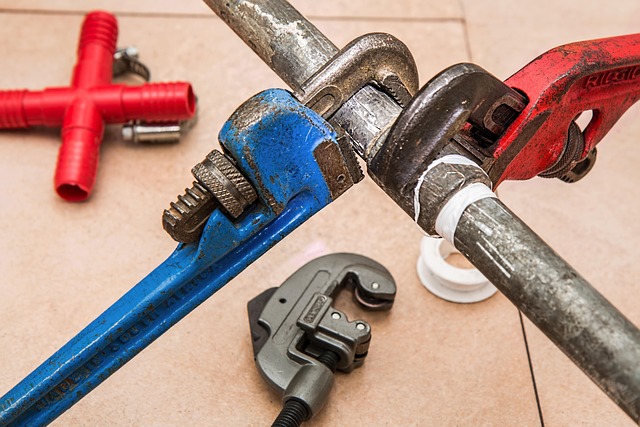
Many car owners overlook exhaust system maintenance, often addressing it only when they detect a problem. Understanding common exhaust issues is the first step in selecting DIY auto repairs for simple yet effective solutions. Two prevalent problems include a blown head gasket and a faulty door seal. A blown head gasket can cause coolant to mix with engine oil, leading to substantial engine damage if left unattended. DIY enthusiasts can prevent this by learning how to change oil yourself regularly, as it involves checking the state of the gasket and other components. Replacing a door seal is another straightforward yet essential repair. Over time, these seals can deteriorate, allowing hot gases to escape, which reduces engine performance and increases emissions.
Another common issue is low engine compression caused by a failing head gasket. This problem manifests as poor fuel efficiency and a lack of power. While replacing a head gasket requires professional help due to its complexity, identifying the issue is a valuable DIY auto repair skill. Regularly checking oil levels and color can provide early indicators of potential problems, such as a blown head gasket or other engine issues. Additionally, keeping an eye on your car’s performance and emissions can help you catch these issues before they turn into costly repairs. For instance, a sudden drop in fuel efficiency could signal a problem with the exhaust system, prompting further investigation and DIY interventions like replacing door seals or even learning how to change oil yourself more frequently.
Among simple exhaust repairs, changing the oil and its filter is a fundamental task that all car owners should be comfortable performing. A clean oil filter ensures optimal engine performance, reduces friction, and prolongs the life of your engine. It’s also crucial to replace the door seal if you notice excessive heat near the exhaust pipe or a loss in engine power. While these DIY auto repairs are relatively straightforward, they require careful consideration and adherence to safety guidelines. Always ensure proper tools, access to replacement parts, and a good understanding of car mechanics before attempting any repairs.
Diagnosis: Spotting Problems & Selecting Tools for Simple Repairs
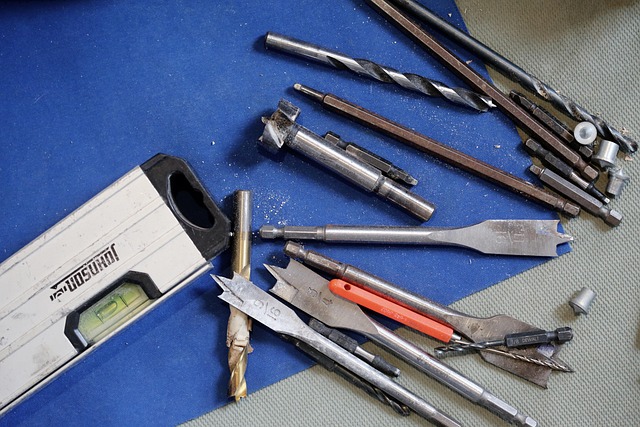
Diagnosing exhaust issues is a crucial step for any DIY auto repairs enthusiast looking to keep their vehicle running smoothly. The exhaust system plays a vital role in engine performance, emissions control, and overall safety. Common problems can range from a simple leak in the muffler to more complex issues with catalytic converters or oxygen sensors. Spotting these problems early on is key to preventing further damage and ensuring optimal vehicle functioning.
For instance, a broken taillight lens, while seemingly minor, can indicate a larger issue with your vehicle’s overall safety features. Similarly, a cracked windshield may be an obvious repair need but could also suggest underlying structural integrity concerns if left unattended. These are issues that DIY enthusiasts can address themselves, leveraging the right tools and some basic knowledge. For example, replacing a broken taillight lens is a straightforward process that involves selecting the correct replacement part and using proper safety precautions when removing the old lens.
When it comes to diagnosing more intricate exhaust problems, such as wheel alignment issues or faulty sensors, a methodical approach is essential. Start with a visual inspection, checking for any obvious signs of damage or misalignment. For instance, a DIY wheel alignment tip involves using a vehicle lift and alignment tools to ensure the wheels are correctly positioned and parallel to each other. If you suspect a sensor problem, consult your vehicle’s owner manual for specific diagnostic procedures or consider utilizing specialized scanning tools designed to identify issues with oxygen sensors and other components.
Fixing cracked windshields safely is another task that requires careful consideration. While some small cracks can be repaired at home using special kits, larger or multiple cracks should be left to professionals due to safety concerns. Remember, proper diagnosis is just the first step; selecting the right tools for each specific repair job is equally important. With the right approach and resources, DIY auto repairs can not only save costs but also empower owners to better understand and maintain their vehicles’ critical systems.
Step-by-Step Repair Guide: From Inspection to Reinstallation

When tackling simple exhaust repairs, a step-by-step approach is crucial for ensuring both effectiveness and safety. Begin by thoroughly inspecting the exhaust system, looking for any visible damage or leaks, such as a DIY coolant leak repair. This initial assessment will guide your repair strategy. If you identify issues like a blown head gasket, proceed with caution; these repairs require precision and knowledge. Consider whether Select DIY Auto Repairs could be a viable solution for complex tasks.
Next, gather the necessary tools and parts, ensuring they are compatible with your vehicle. For instance, when fixing a flat tire—a skill every driver should possess—have a spare tire, jack, and lug wrench ready. Similarly, for exhaust repairs, you might need new gaskets, bolts, and pipes. Once prepared, start by removing any damaged components, taking note of their placement. This meticulous process is key to successful reinstallation.
After replacing faulty parts, carefully reassemble the exhaust system, ensuring all connections are secure. Test the repair by checking for leaks and proper functionality. For instance, after a DIY coolant leak repair, top up the cooling system and start the engine to verify no leaks exist. If repairs are beyond your comfort level or expertise, it might be best to consult a professional mechanic. However, many basic exhaust repairs can be accomplished with the right guidance, fostering self-reliance in vehicle maintenance.
By mastering the art of simple exhaust repairs through Select DIY Auto Repairs, you gain a valuable skill that not only enhances your vehicle’s performance but also offers significant cost savings. This comprehensive guide has equipped you with the knowledge to identify common issues, diagnose problems effectively, and execute repairs with confidence. From understanding fundamental mechanics to selecting the right tools and following step-by-step instructions, you now possess the expertise to tackle exhaust-related challenges head-on. Armed with these insights, you’re ready to navigate future maintenance tasks, ensuring your vehicle remains in top condition while fostering a sense of accomplishment through successful DIY endeavors.