
Select DIY auto repairs save up to 20% on maintenance costs and extend vehicle life. Essential tools include wrenches, screwdrivers, pliers, and jack stands. Regular tasks like air filter replacement and oil changes improve performance and fuel efficiency. Using correct motor oil and proper disposal practices are crucial for engine longevity and environmental protection.
In today’s digital era, many vehicle owners are seeking cost-effective solutions for their car maintenance needs. Among the most frequently asked questions is whether to opt for DIY auto repairs, specifically, changing oil yourself. This task, though seemingly daunting, can be a game-changer in terms of saving money and gaining control over your vehicle’s health.
Changing oil regularly is crucial for optimal engine performance and longevity. However, many owners face the challenge of high workshop fees. With the right knowledge and tools, selecting DIY auto repairs for oil changes can empower you to take care of this essential task naturally, fostering a deeper connection with your vehicle.
- Gather Tools and Supplies for Select DIY Auto Repairs
- Choose the Right Oil for Your Vehicle's Make and Model
- Locate and Prepare the Engine Oil Drain Plug
- Step-by-Step Guide to Changing Engine Oil Safely
- Best Practices for Disposing of Used Motor Oil Responsibly
Gather Tools and Supplies for Select DIY Auto Repairs
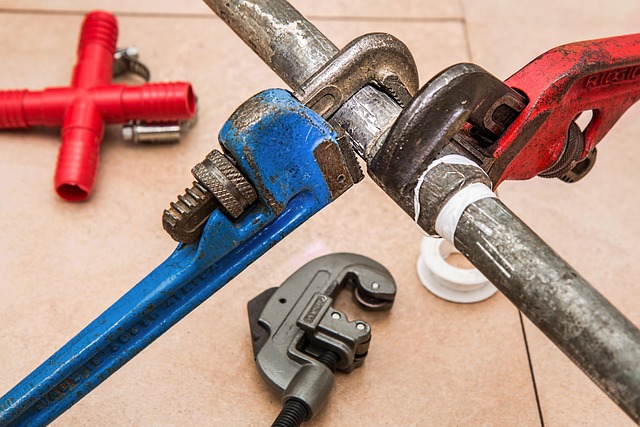
Performing select DIY auto repairs can save you money and empower you to take control of your vehicle’s maintenance. Before tackling any task, ensure you have the right tools and supplies. For many basic tasks, a well-equipped toolbox with items like wrenches, screwdrivers, pliers, and jack stands will suffice. When it comes to specific jobs like replacing your car’s air filter or conducting an engine tune-up at home, additional specialized tools are necessary. These might include a new air filter, oil drain pan, oil filter wrench, and even a code scanner for diagnostic purposes.
A crucial first step in any DIY auto repair is gathering the correct parts. For instance, when fixing a low tire pressure, you’ll need a reliable gauge to determine the issue and then the appropriate tires, typically a set of four, to ensure even wear and maximum safety. Regular maintenance tasks like replacing your air filter can significantly impact your vehicle’s performance. A clean, high-quality air filter improves airflow, enhancing fuel efficiency and engine power—a benefit noticed by many drivers who regularly perform this simple yet effective repair.
Beyond the practical considerations, there are economic advantages to learning select DIY auto repairs. According to a study by AAA, completing routine tasks like oil changes can save car owners up to 20% on maintenance costs over time. While some repairs may be more complex than others, many basic procedures, such as an engine tune-up at home, can be performed with the right knowledge and tools. This not only extends the life of your vehicle but also reduces reliance on professional services, offering both financial and logistical benefits.
Choose the Right Oil for Your Vehicle's Make and Model
Choosing the right motor oil for your vehicle is a crucial step in maintaining its performance and longevity, especially when tackling simple auto repairs for beginners like yourself. Different makes and models require specific types of oil designed to meet their unique engine specifications. Using the incorrect oil can lead to reduced fuel efficiency, increased wear on vital components, and even potential damage to your engine. Therefore, understanding your vehicle’s requirements is essential before you embark on any DIY muffler repair or routine maintenance tasks.
When selecting oil, pay close attention to your car manufacturer’s recommendations. They often provide guidelines based on extensive research and testing, ensuring optimal performance for each model. For instance, some modern vehicles may require synthetic oils due to their advanced engine designs, while older models might function best with conventional petroleum-based options. Always refer to your vehicle’s owner manual or consult a professional mechanic if you’re unsure about the appropriate oil type.
Regular oil changes are a fundamental aspect of preventive maintenance, and checking your transmission fluid is a simple yet critical task that aligns with this practice. Aim to perform this check 1-3 times per year, depending on your driving conditions and vehicle age. Many modern cars have warning systems that notify you when the fluid level or quality drops below acceptable levels. By staying proactive with these simple checks, like DIY muffler repair tasks, you can extend the life of your transmission and avoid costly repairs down the line.
Locate and Prepare the Engine Oil Drain Plug

Locate and Prepare the Engine Oil Drain Plug is a crucial step in any do-it-yourself (DIY) auto repair, including one of the most fundamental tasks—changing your car’s engine oil. This process requires careful navigation to ensure efficient oil drainage and a proper setup for refilling. The drain plug, situated at the lowest point of the engine, serves as the exit point for old oil, making its identification and preparation paramount.
To begin, locate the engine oil pan under the vehicle. The oil pan houses and collects the used oil. Attached to this pan is the drain plug, typically a hexagonal or round shape with a nut secured onto it. Using a wrench or socket set, loosen and remove the drain plug carefully, as old oil may still be present. Ensure you have an appropriate container ready to catch the drained oil, adhering to safety guidelines by wearing protective gear. Once removed, inspect the hole for any debris or damage, cleaning if necessary before proceeding.
After preparing the drain plug, it’s essential to follow up with a replacement of the plug itself. A broken or damaged drain plug can lead to incomplete oil drainage and potential engine issues. Select a new drain plug that matches your vehicle’s specifications. This is another instance where DIY auto repairs benefit from understanding specific make and model requirements, ensuring compatibility and optimal performance.
Step-by-Step Guide to Changing Engine Oil Safely
Changing your car’s engine oil is a fundamental aspect of regular maintenance, allowing you to maintain optimal vehicle performance and longevity. While many opt for professional services, learning how to change oil yourself can be a valuable skill, empowering DIY auto enthusiasts to take control of their vehicle care. This guide will walk you through the process step-by-step, ensuring a safe and efficient experience.
Start by parking your car on a level surface and engaging the parking brake. Ensure the engine is cold before proceeding, as hot oil can lead to burns or spills. Gather all necessary tools: a jack, jack stands, a new oil filter, and the correct replacement motor oil. Place an old towel or drip pan beneath the engine to catch any excess fluid. Next, locate your car’s oil drain plug, usually located near the bottom of the engine. Using a wrench, remove the plug and attach the drip pan to ensure proper disposal of the used oil. Allow the oil to drain completely for several minutes.
Once the oil has drained, replace the drain plug and tighten it securely. Now, locate the oil filter, typically situated next to the oil drain. Use a filter wrench to unscrew and remove the old filter, taking care not to spill any residual oil. Clean the mounting surface thoroughly before installing the new oil filter, ensuring a proper seal. Finally, pour the new motor oil into the engine, refilling until it reaches the recommended level marked in your owner’s manual. By following these simple steps and performing regular transmission fluid checks, such as a diy headlight restoration or replacing door seals every 1-3 years, you can ensure your car runs smoothly for years to come while saving on professional auto repair costs.
Best Practices for Disposing of Used Motor Oil Responsibly

Changing your car’s oil is a fundamental part of vehicle maintenance, and while many opt for professional services, mastering this task yourself can save costs and promote environmental responsibility. When it comes to disposing of used motor oil, responsible management is crucial to prevent environmental contamination. The best practice lies in adhering to strict eco-friendly protocols, ensuring your old oil doesn’t end up in landfills or water sources.
Start by selecting DIY auto repairs equipment carefully, focusing on safety and efficiency. Collect appropriate containers for collecting used oil, preferably those specifically designed for this purpose. Avoid using food or beverage containers due to potential cross-contamination risks. Once you’ve changed the oil, don’t empty it onto the ground or into storm drains—these outlets are reserved for clean water and waste. Instead, take your used oil to designated collection points or recycling centers. Many auto parts stores accept used oil, while some communities have dedicated drop-off locations. Online resources can guide you to nearby options, making responsible disposal effortless.
Consider this: According to the Environmental Protection Agency (EPA), proper oil disposal can prevent up to 75 million gallons of toxic pollution annually. This highlights the significant impact of individual actions in maintaining a sustainable environment. Additionally, recycling used motor oil can be transformed into new products like asphalt or heating fuel, showcasing a powerful circular economy principle. Remember, when tackling tasks like fixing a flat tire or replacing door seals, responsible disposal practices should accompany these DIY efforts to ensure your car maintenance routines are truly eco-friendly.
By following these comprehensive guides on Select DIY Auto Repairs, you’ve now armed yourself with the knowledge to change your vehicle’s oil safely and effectively. Understanding the importance of using the right oil for your make and model, preparing your engine thoroughly, and adhering to best practices for disposing of used motor oil are crucial steps that ensure not only your car’s longevity but also your safety on the road. This article has provided clear, practical insights that empower you to take control of routine maintenance tasks, saving time and money while fostering a deeper connection with your vehicle.