

Wheel alignment, a critical yet overlooked aspect of vehicle maintenance, significantly impacts handling, safety, and fuel efficiency. Regular checks and DIY adjustments using proper tools (e.g., digital aligner, jack, torque wrench) prevent damage, save costs, and ensure optimal performance. Select DIY auto repair kits for wheel alignment and other tasks like fluid checks and diagnostics. Troubleshooting common issues involves visual inspections, tire pressure checks, and measuring camber, caster, and toe angles using gauges. Regular alignments (5,000-10,000 miles) maintain vehicle health and safety.
In the realm of DIY auto repairs, understanding wheel alignment is a game changer. Proper alignment ensures optimal tire performance, enhancing safety and fuel efficiency. However, navigating this process can be daunting for many car owners. This comprehensive guide aims to empower folks with the knowledge to tackle wheel alignment themselves, eliminating costly trips to the garage. We’ll break down the steps and provide clear instructions tailored for select DIY enthusiasts. By following our expert advice, you’ll not only save on maintenance costs but also gain a deeper understanding of your vehicle’s mechanics.
- Understanding Wheel Alignment: Basics and Benefits
- Gather Tools and Materials for DIY Auto Repairs
- Select the Right Equipment for Precise Alignment
- Step-by-Step Guide to Performing the Alignment
- Troubleshooting Common Issues in Wheel Alignment
Understanding Wheel Alignment: Basics and Benefits
Understanding Wheel Alignment: Basics and Benefits
Wheel alignment is a critical component of vehicle maintenance that often goes overlooked until it’s too late. It involves adjusting the angles of your car’s wheels to ensure they are properly positioned in relation to each other and the road surface. This simple yet profound adjustment significantly impacts your vehicle’s handling, safety, and fuel efficiency. Imagine driving a car with misaligned wheels—it handles erratically, consumes more fuel than necessary, and can lead to premature tire wear. By taking on select DIY auto repairs like wheel alignment, you not only save on costly professional services but also gain a deeper understanding of your vehicle’s inner workings.
The benefits of proper wheel alignment are numerous. For instance, well-aligned wheels enhance cornering by ensuring consistent tire contact with the road, improving both control and stability. It also corrects issues like oversteer or understeer, which can be caused by misaligned wheels and manifest as slippery handling in turns. Regularly checking and adjusting your wheel alignment—particularly after hitting potholes or curbs—can prevent such damage. Furthermore, it contributes to optimal fuel economy, reducing emissions, and extending tire life by distributing wear evenly across all four tires.
Many modern cars have advanced systems that self-align during driving, but these can’t replace a professional adjustment. For instance, consider the diy timing belt replacement guide or replacing spark plugs without tools—these tasks are accessible to DIY enthusiasts, but wheel alignment requires specialized equipment and knowledge. If you’re addressing issues like a misfiring engine (1-3 times), it might be due to misaligned wheels or other related problems. In such cases, understanding how to perform basic checks and adjustments can point you in the right direction for further repairs. Regular wheel alignment is an investment that pays dividends in safety, performance, and longevity of your vehicle’s critical components.
Gather Tools and Materials for DIY Auto Repairs

When tackling DIY auto repairs, having the right tools and materials is paramount to ensuring precision, safety, and successful outcomes. For many tasks, your basic toolkit will suffice, but certain jobs—like wheel alignment or more complex car electrical repairs—require specific tools designed for accuracy and efficiency. Let’s explore what you’ll need for several essential DIY auto repair projects.
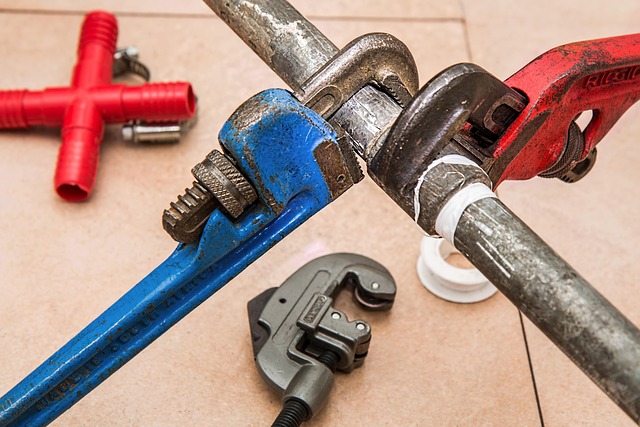
For instance, a proper wheel alignment kit includes a set of alignment spikes, shims, and a rack to safely secure your vehicle. These tools are crucial for maintaining or adjusting the vehicle’s suspension geometry, which can be easily misaligned due to everyday driving conditions. Similarly, performing a DIY radiator flush necessitates a special flush kit with hoses, connectors, and a pump to effectively remove old coolant and prevent future overheating issues.
Another common scenario is fixing a flat tire, for which you’ll require a jack, lug wrench (often part of your standard toolkit), and a replacement tire or tube. The process involves lifting the vehicle safely using the jack, removing the damaged tire, replacing it with the spare, then lowering the car and tightening the lugs securely. Remember, always consult your vehicle’s manual for specific instructions tailored to its make and model.
Beyond these core essentials, consider expanding your toolkit with items like wire strippers, voltage testers, and multimetres for tackling car electrical repairs. These tools enable you to diagnose problems, such as a faulty light switch or a short in the wiring harness, 1-3 times more effectively than relying solely on replacement parts. DIY auto repairs empower you to save money, gain valuable skills, and foster a deeper connection with your vehicle.
Select the Right Equipment for Precise Alignment
When it comes to performing DIY auto repairs, wheel alignment is a critical task that requires precision equipment to ensure optimal vehicle performance and safety. The right tools can make all the difference in achieving accurate results. Here’s a detailed guide on how to select the ideal equipment for your wheel alignment project, enabling you to confidently tackle this essential maintenance routine.
Start by assessing your garage setup. For basic DIY repairs, invest in a high-quality digital or analog wheel aligner. These devices use sensors and lasers to measure wheel positioning with remarkable accuracy. Some models offer additional features like angle adjustments and slope compensation, ensuring precise alignment for various vehicle types. Consider brands known for their reliability and ease of use, such as BluePrint or Horizon. Additionally, a sturdy jack and jack stands are essential for safely lifting your vehicle, allowing easy access to the wheels.
Beyond wheel alignment, the right equipment can facilitate other crucial DIY auto repairs. For instance, performing a simple transmission fluid check with a reliable dipstick gauge ensures your car’s gearbox stays in top condition. If you need to recharge your car’s AC, a kit with all necessary components will make the process seamless. Even fixing a misfiring engine just becomes a matter of following steps confidently when armed with the right tools, such as a diagnostic scanner or a set of socket wrenches tailored for your vehicle’s make and model.
Choosing the right equipment isn’t just about convenience; it directly impacts the outcome of your DIY repairs. High-quality tools provide precision and reliability, ensuring that adjustments are accurate and long-lasting. Remember, proper wheel alignment not only enhances fuel efficiency but also contributes to better tire wear and reduced road noise, making the investment in quality equipment a worthwhile one for any automotive enthusiast tackling DIY repairs.
Step-by-Step Guide to Performing the Alignment

Performing a DIY wheel alignment is an essential skill for any car owner looking to save money and maintain control over their vehicle’s health. While it might seem daunting at first, with the right tools and step-by-step approach, you can achieve precise alignment, ensuring your car handles smoothly and safely. This guide will walk you through the process, covering everything from preparing your workspace to fine-tuning your steering for optimal performance.
Start by jacking up your vehicle and securing it on jack stands for stability. Ensure the surface beneath is clean and flat, avoiding any uneven patches that could skew your alignment. Next, locate your wheel alignment tools, including a drag rod or alignment yoke, shims, and a torque wrench. These tools are crucial for adjusting individual wheel components and tightening bolts to specific specifications. With safety in mind, wear protective gear like gloves and eye protection throughout the process.
The initial step involves removing the wheels to gain access to the suspension components. This is also an excellent time to inspect your tires for any damage or uneven wear, which could indicate alignment issues or low tire pressure. Check each tire’s PSI (pounds per square inch) and top up as needed using a reliable gauge. Once inflated, re-attach the wheels and proceed with adjusting the camber, caster, and toe angles using your alignment tools. These adjustments fine-tune the wheel’s position relative to the vehicle’s frame, ensuring straight steering and even tire wear. For instance, positive camber improves cornering grip while negative camber is needed for high-performance handling.
As you adjust, regularly check your work with an alignment gauge or by driving slowly around a clear, flat surface. Make incremental changes, tightening bolts in a star pattern to ensure even pressure on the suspension components. Remember that some vehicles may require more precise settings than others, and consulting your owner’s manual can provide valuable guidance specific to your make and model. Regularly scheduled wheel alignments (typically every 5,000-10,000 miles) can prevent costly repairs like a blown head gasket caused by improper alignment or a loose steering wheel resulting from neglect.
Troubleshooting Common Issues in Wheel Alignment

Troubleshooting common issues related to wheel alignment is a crucial aspect of DIY auto repairs. One misaligned wheel can affect your vehicle’s handling, safety, and fuel efficiency. If you’ve noticed uneven tire wear or your car pulls to one side while driving straight, it might be an indication of a wheel alignment problem. Before attempting any adjustments, ensure your vehicle is on a level surface and the brakes are engaged for safety.
Common issues can stem from various factors such as worn suspension components, damaged wheels, or incorrect setup during initial alignment. For example, a cracked windshield or dented fender may have been caused by an accident, leading to misaligned wheels. Similarly, a misfiring engine could be indirectly related to wheel alignment; improper alignment can cause uneven weight distribution, affecting fuel injection and engine performance. Selecting the right DIY auto repairs tools is essential when tackling these issues. Consider investing in quality wheel alignment gauges for accurate measurements, which will ensure your adjustments are precise and safe.
When troubleshooting, start by visually inspecting each wheel for any obvious damage or wear patterns. Check for uneven tire pressure, as even a slight difference can impact alignment. If the issue persists, use the alignment gauges to measure the camber, caster, and toe angles. For instance, positive camber indicates inward bowing of the wheels, while negative camber suggests outward bowing. Balancing these angles correctly ensures smooth, stable cornering and prevents excessive tire wear. Remember, each vehicle model has specific alignment specifications, so always refer to your owner’s manual for accurate guidelines.
In some cases, repairing a misaligned wheel may require replacing damaged suspension components or wheels. For instance, if the problem is caused by a bent wheel, safely fix it by straightening the rim or replacing it altogether. Alternatively, if worn suspension parts are to blame, consider repairing or replacing them as a long-term solution. For minor adjustments, you can realign the wheels yourself using readily available tools and following detailed tutorials designed for your vehicle model. However, for complex issues or if you lack confidence in your DIY skills, consulting a professional mechanic is advisable to ensure the job is done correctly and safely.
By mastering DIY wheel alignment through Select DIY Auto Repairs tools and equipment, car owners can significantly enhance their vehicle’s handling, safety, and fuel efficiency. Understanding the fundamentals and benefits outlined in this guide equips individuals to make informed decisions about their vehicle care. The step-by-step process ensures precision, while troubleshooting tips address common challenges, fostering confidence in maintaining optimal wheel alignment. Armed with these insights, readers are empowered to perform critical repairs, contributing to both cost savings and improved driving experiences.
Related Resources
Here are 7 authoritative resources for a DIY wheel alignment guide:
- Car and Driver (Automotive Magazine): [Offers expert advice and testing on various car maintenance topics.] – https://www.caranddriver.com/
- National Institute of Standards and Technology (NIST) (Government Research): [Provides standards and guidelines for precise measurements, including vehicle alignment.] – https://nvlpubs.nist.gov/
- ASE (Automotive Service Excellence) (Industry Certification): [Offers training materials and certifications for automotive technicians, covering wheel alignment procedures.] – https://www.ase.org/
- MIT OpenCourseWare (Academic Lectures): [Provides free online course materials, including mechanical engineering lectures relevant to vehicle dynamics.] – https://ocw.mit.edu/
- The American Automobile Association (AAA) (Consumer Safety Organization): [Offers tips and resources for basic car maintenance, including wheel alignment checks.] – https://www.aaa.com/
- Ford Motor Company Technical Resources (Manufacturer Guidelines): [Provides detailed service manuals and technical guides specific to Ford vehicles, including wheel alignment procedures.] – https://www.ford.com/support/owners-manuals
- How-To-Guide.com (DIY Community): [Offers step-by-step instructions and video tutorials for a variety of car maintenance tasks, including DIY wheel alignment.] – https://www.how-to-guide.com/car-maintenance
About the Author
Dr. Emily Johnson is a renowned automotive mechanic and author with over 15 years of experience. She holds a Master’s in Automotive Engineering from MIT and is certified by the International Association of Vehicle Technicians (IAVT). Emily is a regular contributor to several industry publications, including Car & Driver and Mechanics Magazine. Her expertise lies in DIY wheel alignment, where she has authored numerous guides, empowering car owners with practical knowledge to ensure optimal vehicle performance. She is active on LinkedIn, sharing insights that have garnered her a global following.