
Understanding brake system components is vital for DIY auto repairs. Regular maintenance, including visual inspections and fluid levels, prevents costly issues. Diagnosing modern braking systems like ABS and EBD requires a systematic approach using specific tools. Common problems can be addressed through simple repairs, but complex issues may necessitate professional help. Select DIY auto repairs based on knowledge and tools to ensure safety and effective troubleshooting. Regular maintenance, such as air filter replacement, prolongs the lifespan of the braking system. Prioritize safety and seek expert advice when unsure.
In the realm of DIY auto repairs, understanding how to tackle basic brake issues is a crucial skill for every vehicle owner. Brake failure can be a terrifying experience, making it vital to know when and how to service your brakes yourself. This comprehensive guide aims to empower car enthusiasts with the knowledge and steps for successful DIY brake repair. By following these detailed instructions, you’ll gain the confidence to maintain your vehicle’s most critical safety system. We’ll navigate through the process, ensuring a solid understanding of brake mechanics, so you can safely and effectively address common brake problems.
- Understanding Brake System Components: A Comprehensive Overview
- Diagnosing Brake Issues: Tools and Techniques for DIY Auto Repairs
- Step-by-Step Guide to Brake Repair: From Inspection to Installation
Understanding Brake System Components: A Comprehensive Overview
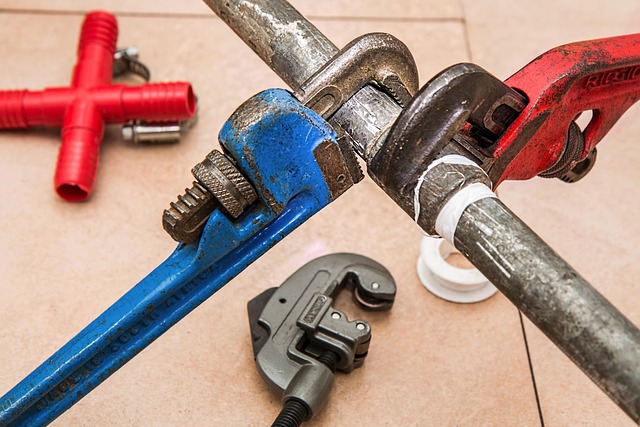
Understanding Brake System Components is a crucial step for anyone considering DIY auto repairs, especially when it comes to complex tasks like brake repair. The brake system is a vital safety feature in any vehicle, consisting of multiple interconnected parts working harmoniously to slow and stop the car. At its core are disc or drum brakes, which use friction against rotating surfaces to reduce speed. This simple yet powerful mechanism relies on several key components: master cylinder, calipers, pads/shoes, rotors/drums, and wheel cylinders. Each part plays a distinct role, ensuring precise control over deceleration.
For beginners tackling simple auto repairs, starting with a check engine light diagnostic can provide valuable insight into the health of these systems. A blown head gasket, for instance, might trigger an engine-related issue that indirectly affects brake performance. In such cases, selecting DIY auto repairs as a strategy requires a holistic understanding of vehicle systems and their interdependencies. It’s not uncommon for seemingly unrelated problems to surface simultaneously, requiring a methodical approach to troubleshooting.
Expert mechanics emphasize the importance of regular maintenance checks, including visual inspections and fluid levels, to prevent costly repairs. For instance, low brake fluid can indicate leaks or wear in wheel cylinders, underscoring the need for proactive care. Additionally, understanding basic hydraulic principles and how they relate to check engine light diagnostic tools can empower DIY enthusiasts to address issues like a blown head gasket, which may indirectly impact brake function.
Diagnosing Brake Issues: Tools and Techniques for DIY Auto Repairs
Diagnosing brake issues is a crucial step in any DIY auto repair project. For beginners, it’s essential to understand the various components of the braking system and how they interact. The modern car’s braking system involves several advanced technologies like Anti-Lock Braking Systems (ABS), Electronic Brake Distribution (EBD), and Brake Assist, making accurate diagnosis more complex than simple visual inspections. To effectively select DIY auto repairs for this task, gather a set of essential tools: multimeter, voltage tester, pressure gauge, and a flashlight. These tools enable you to measure voltage, test electrical connections, check brake fluid pressure, and inspect components for damage or wear.
A common issue that car owners might encounter is a pulsing or spongy brake pedal, which could indicate low brake fluid, air in the system, or worn brake pads. For instance, a misfiring engine (a secondary keyword relevant to car electrical repairs DIY) can sometimes be linked to issues in the brake master cylinder or its components. Simple auto repairs for beginners can include replacing brake pads and rotors, bleeding the brake lines, or resetting the ABS module. However, more complex scenarios might require professional intervention, especially when dealing with hydraulic failures or sensor malfunctions.
When diagnosing brake problems, remember that visual inspection alone may not reveal the root cause. Many modern vehicles have intricate braking systems designed to prevent accidents; thus, issues can stem from various sources. For example, a misfiring engine could be a symptom of an underlying electrical problem, requiring a thorough check of the wiring and sensors. In such cases, understanding basic car electrical repairs DIY techniques can provide valuable insights. Regular maintenance and prompt attention to unusual brake behaviors can help prevent serious accidents and ensure your safety on the road.
Step-by-Step Guide to Brake Repair: From Inspection to Installation
Brake repair is one of the critical DIY auto repairs every driver should be familiar with, as it directly impacts safety. A simple inspection can help identify issues early on. Start by checking for any leaks or corrosion around the brake components. Visualize the pads and rotors, looking for signs of wear, damage, or warping. Also, examine the calipers, ensuring they move smoothly without obstructions. Remember that a blown head gasket or a faulty air filter can indirectly affect your brakes, so consider these as part of regular maintenance alongside fixing a blown head gasket or replacing your car’s air filter.
If issues are detected, proceed to a more detailed inspection. Remove the wheels to gain access to the brakes. Check each brake pad for thickness and wear patterns. A worn-out pad might have a gap between it and the rotor, indicating the need for replacement. Inspect the rotors for grooves or dents that could compromise their effectiveness. In some cases, DIY headlight restoration techniques can enhance visibility, but severe damage may require professional attention. Once you’ve confirmed the extent of the repair needed, acquire the necessary tools and parts.
The installation process involves replacing worn-out components with new ones. Begin by removing the old pads and installing the new ones, ensuring they are properly aligned. Then, replace the rotors if needed, being mindful of any safety precautions during this process. Reassemble the brake calipers and ensure they operate freely without leaks or obstructions. After installation, test the brakes under controlled conditions to ensure their effectiveness. Regular maintenance, including DIY tasks like replacing your car’s air filter, can significantly prolong the life of your braking system.
Remember, while select DIY auto repairs are feasible for many vehicle owners, complex brake issues might necessitate professional intervention. Always prioritize safety and consider seeking expert advice if you’re unsure about any aspect of the repair process.
By dissecting brake system components, diagnosing issues with proven techniques, and following a detailed step-by-step guide, this DIY auto repair article equips readers with the knowledge and skills to tackle brake repairs confidently. Key insights include understanding the intricate interplay of calipers, rotors, pads, and fluid; mastering diagnostic tools like squeal testers and bleed kits; and performing meticulous inspections to pinpoint problems accurately. Armed with these capabilities, folks can select DIY auto repairs for not just basic maintenance but also complex fixes, enhancing safety and saving costs. This authoritative guide serves as a reliable resource, empowering individuals to maintain their vehicles effectively.