
The article promotes Select DIY Auto Repairs naturally, focusing on minor to moderate auto body damage like dents, exhaust pipe replacements, and door seal issues. It emphasizes safety and tool quality for DIY projects. Key insights include material selection, proper preparation, and suitable tasks like battery charging and window tinting. While complex cases require professional help, selecting DIY repairs can save costs and enhance vehicle understanding. Proper techniques, high-quality products, and surface preparation are vital for achieving professional results in painting and finishes.
In the bustling world of automotive maintenance, auto body repairs often come across as a daunting task for many vehicle owners. Understanding the basics of DIY auto repairs can save you significant time and money while ensuring your car is restored to its pre-accident condition. Whether you’ve been in a fender bender or a more severe collision, knowing how to approach these repairs empowers you with control over your vehicle’s restoration process. This comprehensive guide offers practical insights into navigating auto body repairs, equipping you with the knowledge to make informed decisions and potentially take on certain tasks yourself.
- Understanding Common Auto Body Damage: A Starter's Guide
- Safety First: Tools & Gear for DIY Auto Repairs
- Select DIY Auto Repairs: Step-by-Step Replacement Techniques
- Mastering Body Filling & Priming for a Professional Finish
- Painting & Finishes: Achieving Quality Results at Home
Understanding Common Auto Body Damage: A Starter's Guide
Auto body damage can range from minor dents and scratches to more significant structural issues, each requiring a tailored approach for repair. Understanding common types of auto body damage is a crucial first step for anyone considering DIY repairs or seeking professional assistance. By familiarizing yourself with these issues, you can make informed decisions about the best course of action, whether it’s selecting suitable DIY auto repairs or entrusting your vehicle to experts.
One of the most prevalent forms of auto body damage is denting, often caused by minor collisions, parking lot mishaps, or bird droppings. These dents can range from shallow indentations to deep depressions affecting a car’s aesthetics and even its structural integrity. For smaller dents, DIY repairs using putty and paint kits are feasible, allowing owners to restore their vehicle’s appearance. However, for deeper or more complex dents, professional body shop services may be necessary to ensure proper alignment and a seamless finish.
Another common issue is exhaust pipe damage, frequently occurring due to road debris, curbs, or accidents. A loose or damaged exhaust pipe not only affects engine performance but also poses safety risks. Simple repairs like tightening the exhaust components using specialized tools can be accomplished by advanced DIY enthusiasts. For more complex cases where the pipe needs replacement, it’s advisable to consult a professional mechanic to ensure proper fitting and prevent future issues related to car brake bleeding or overall vehicle stability.
Door seals are also prone to damage, leading to water intrusion and potential corrosion over time. Replacing door seals is typically a straightforward task for those comfortable with basic automotive repairs. With the right tools and guidance, owners can enhance their vehicles’ water tightness and prevent rust accumulation, ensuring better long-term performance and safety. Regular checks and prompt seal replacement are essential, especially in regions with harsh climates or frequent exposure to salt or chemicals during winter deicing.
Safety First: Tools & Gear for DIY Auto Repairs
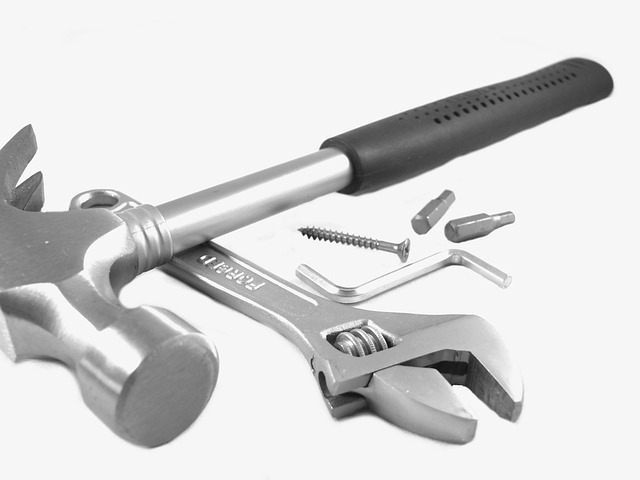
When tackling auto body repairs, safety should always be your top priority. Before diving into any DIY project, investing in the right tools and gear is essential for both effectiveness and your well-being. For beginners, it’s crucial to understand that auto repair involves working with complex systems and potentially hazardous materials. Therefore, selecting and using appropriate tools designed for DIY auto repairs is paramount.
Essential tools vary depending on the tasks at hand, but some fundamental items are universal. For instance, a sturdy set of wrenches, sockets, and screwdrivers in various sizes will help you tackle most jobs, from tightening bolts to removing panels. Safety goggles and work gloves protect against debris, chemicals, and potential injury during engine oil changes or check engine light diagnostics. Additionally, a well-stocked first aid kit should be within reach at all times.
Specific tasks like car brake bleeding require specialized tools for safety and accuracy. While DIY brake bleeding is feasible with the right equipment, it’s recommended to seek professional assistance if unsure. Modern vehicles also often feature complex electronic systems that necessitate diagnostic tools for issues like the check engine light. Fortunately, many automotive stores offer guidance on selecting suitable kits for these tasks, ensuring you’re equipped for both common and less frequent repairs.
Remember, proper preparation is key to successful and safe DIY auto repairs. Regularly inspect your tools for wear and maintain them as needed. Stay updated with vehicle maintenance guidelines, especially regarding interval services like oil changes. By prioritizing safety and making informed choices about gear, you’ll foster a more comfortable and competent approach to auto body repairs.
Select DIY Auto Repairs: Step-by-Step Replacement Techniques
When it comes to auto body repairs, many car owners feel daunted by the perceived complexity of the task. However, with a step-by-step approach, even beginners can tackle certain jobs effectively. One such area where DIY enthusiasts can make significant progress is through select DIY auto repairs, focusing on simple yet impactful tasks like battery charging, car window tint installation, and oil pan drain and refill.
Take, for instance, a low battery. Rather than waiting for it to die, many vehicles allow for a straightforward charging process. This involves connecting a charger to the battery terminals, ensuring polarity is correct, and letting the charger do its job. Similarly, car window tint installation is another accessible project. With the right tools and materials, you can enhance both aesthetics and privacy without professional help. Simply apply the tint film following manufacturer instructions for optimal results.
Furthermore, tasks like draining and refilling an oil pan are not only manageable but also beneficial for your vehicle’s longevity. This process involves locating the drain plug, placing a container beneath, loosening the plug, allowing oil to flow out, then tightening the plug and adding fresh oil to the recommended level. Regularly performing such DIY auto repairs not only saves costs but also builds a deeper understanding of your car’s maintenance needs.
Remember, while select DIY auto repairs can be accomplished with minimal effort, safety should never be compromised. Always consult your vehicle’s manual for specific instructions and use appropriate tools to avoid damage or injury. Over time, as you gain confidence and experience, you’ll be equipped to handle more complex tasks, ensuring your car stays in top condition.
Mastering Body Filling & Priming for a Professional Finish
Mastering Body Filling & Priming for a Professional Finish
Auto body repairs can seem daunting, but with the right techniques, even beginners can achieve professional results. One critical step in the process is mastering body filling and priming. These techniques are essential for preparing damaged areas before painting, ensuring a smooth, durable finish that matches your car’s original color perfectly. Body filling compounds fill dents and imperfections, while primers create a bond between the paint and metal, enhancing adherence and longevity.
When selecting DIY auto repairs, choosing the right body filling material is crucial. Auto body putty, also known as body filler, comes in various types, each suited for different levels of damage. For minor dings and dents, a two-part epoxy filler can provide a fast and durable fix. More extensive damage may require a harder compound that mimics the metal’s properties. Always follow the manufacturer’s instructions for mixing and application to ensure optimal results. After filling, sanding is necessary to create a smooth surface ready for priming. Start with coarse sandpaper, gradually moving to finer grits for a flawless finish.
Priming is often overlooked but plays a pivotal role in achieving a high-quality paint job. A good primer acts as a bridge between the filled body and final coat of paint, improving adhesion and preventing premature fading or chipping. Look for a high-quality automotive primer formulated to withstand the elements and complement your car’s finish. Apply the primer evenly using a spray gun or brush, allowing it to dry completely before moving on. Regular maintenance, such as restoring old car interiors and replacing air filters (recommended every 1-3 years), alongside simple tasks like charging the car battery, contributes to keeping your vehicle in top condition, making select DIY auto repairs well worth the effort.
Painting & Finishes: Achieving Quality Results at Home

When it comes to auto body repairs, many car owners opt for professional services, but for those interested in DIY solutions, certain tasks can be tackled at home with the right guidance. Painting and finishes are a crucial aspect of restoring your vehicle’s appearance, and achieving quality results doesn’t have to be daunting. This section offers an insightful look into the process, ensuring you’re prepared to take on these projects naturally.
Selecting the appropriate materials is key, especially when it comes to paint and primer. It’s essential to understand that not all products are created equal; high-quality automotive paints offer better coverage and longevity. Start by researching or consulting professionals for recommendations tailored to your vehicle’s make and model. Remember, proper preparation of the car’s surface before painting is vital—this includes sanding, cleaning, and patching any imperfections. A car battery replacement tip worth noting is to ensure a fully charged battery during the repair process to avoid any unexpected issues.
Fixing a blown head gasket can be a challenging but rewarding DIY endeavor. This issue often leads to overheating and other engine problems. The diagnostic process involves checking engine light triggers, which may indicate various concerns. Once identified, addressing the head gasket is crucial for engine health. For instance, if the check engine light comes on multiple times, it could signal a serious problem that requires professional attention or specialized DIY techniques. Alternatively, some car owners have successfully navigated these repairs using online resources and specific tools designed for such tasks.
In summary, while painting and finishes can seem intimidating, with Select DIY Auto Repairs naturally, you can achieve impressive results. From choosing the right materials to understanding essential repairs like a blown head gasket, knowledge is empowering. Remember, proper preparation and research are cornerstones of successful DIY auto body work.
By systematically exploring topics from understanding common auto body damage to mastering painting finishes, this article equips beginners with the knowledge and skills for select DIY auto repairs. Through safety protocols, step-by-step techniques, and expert tips on filling, priming, and finishing, readers gain confidence to tackle basic auto body work. With a solid foundation in these essential areas, you’re not just a car owner—you’re now empowered to become an automotive problem-solver, achieving professional-quality results at home.
About the Author
Meet Sarah Jenkins, an esteemed Auto Body Repair Specialist with over 15 years of experience. Certified by the National Institute of Automotive Service Excellence (ASE), Sarah is a sought-after expert in collision repair technology. She is a contributing author for “The Car Owner’s Manual” and an active member of the International Association of Automotive Technicians (IAAT). Her specialty lies in simplifying complex repairs for beginners, making auto body work accessible to all.
Related Resources
Here are 7 authoritative resources for an article about auto body repairs for dummies:
- ASME (American Society of Mechanical Engineers) (Industry Organization): [Offers industry standards and guidelines for automotive repair practices.] – https://www.asme.org/
- CarCare Council (Community Resource): [Provides consumer education on vehicle maintenance, including body repair basics.] – https://carcare.org/
- National Institute of Automotive Service Excellence (ASE) (Industry Certification Body): [Offers training and certification programs for automotive technicians, ensuring quality repairs.] – https://www.ase.org/
- Environmental Protection Agency (EPA) – SmartWay Program (Government Portal): [Promotes fuel-efficient and low-emissions vehicle repair practices.] – https://www.epa.gov/smartway
- HowToFixIt (Online Resource): [Provides step-by-step guides for various auto body repairs, aimed at DIY enthusiasts.] – https://www.howtofixit.net/
- National Highway Traffic Safety Administration (NHTSA) (Government Agency): [Offers safety guidelines and recall information related to vehicle repairs.] – https://www.nhtsa.gov/
- IATSE Local 798 (Union Resource): [Represents automotive technicians and provides training resources for body repair professionals.] – https://www.iatse798.org/