

DIY auto repairs save money on simple tasks like oil changes, battery replacements, and AC recharges. Invest in quality tools and prioritize safety with PPE for complex jobs. Online guides and forums offer detailed instructions for various repairs. Basic diagnostics empower early issue identification, preventing costly unscheduled visits. Focus on skill development and stay informed for successful DIY auto maintenance.
In today’s world, managing home expenses can be a constant challenge. One often overlooked area where significant savings can be achieved is through DIY auto repairs. The cost of maintaining a vehicle can quickly add up, especially when repairs are left to professional shops. By empowering yourself with knowledge and basic tools, you can tackle many common issues yourself, reducing reliance on costly external services. This article serves as your comprehensive guide to navigating the world of DIY auto repairs, equipping you with the skills and confidence to take control of your vehicle’s maintenance and save money in the process.
- Assess Basic DIY Auto Repairs Skills
- Create a Comprehensive Maintenance Schedule
- Gather Essential Tools for Home Repairs
- Diagnose Problems Using Online Resources
- Prioritize Safety During Repair Processes
Assess Basic DIY Auto Repairs Skills
Assessing your basic DIY auto repair skills can save you a substantial amount on repairs at home. While it might seem intimidating initially, many routine tasks are within the grasp of even novice do-it-yourselves. Consider taking on projects like a diy fuel filter change – a relatively simple process that, according to some estimates, could save you up to $20 per year in fuel efficiency gains alone. Similarly, learning car battery replacement tips can prevent unexpected breakdowns and costly towing charges. A new car battery typically costs between $40 and $150, depending on the make and model.
DIY engine oil change is another widely accessible skill that offers significant benefits. Not only will you save money on lubricants – which can range from $20 to $80 per oil change depending on your vehicle and location – but you’ll also gain a deeper understanding of your car’s maintenance needs. Regular oil changes are crucial for prolonging engine life, so taking this task into your own hands not only saves money but also contributes to the longevity of your vehicle.
Remember, while selecting DIY auto repairs is a cost-effective approach, it’s essential to be honest about your abilities. If you’re tackling complex tasks like transmission service or intricate electrical repairs, consider seeking expert assistance. Safety should always come first.
Create a Comprehensive Maintenance Schedule

A comprehensive maintenance schedule is a powerful tool for homeowners looking to save on repairs at home, particularly when it comes to auto repairs. By proactively addressing routine tasks, you can extend the lifespan of your vehicle and avoid costly unexpected breakdowns. A well-maintained car not only runs more efficiently but also retains its value better over time.
One of the most effective ways to get started is by selecting DIY auto repairs for simpler tasks. Resources like a car AC recharge kit and diy timing belt replacement guide are readily available, making it possible for even novice homeowners to handle basic maintenance. For instance, recharging your car’s air conditioning system with a kit can save you hundreds of dollars compared to professional repair costs. Similarly, replacing the timing belt, a crucial component that ensures your engine’s valves open and close at the right times, is another task many homeowners can safely perform themselves following a detailed guide. Regularly checking and replacing your car’s air filter (aim for 1-3 replacements per year) is yet another simple yet effective maintenance step that enhances fuel efficiency and engine performance.
However, not all repairs are suitable for DIY enthusiasts. Complex tasks such as brake repairs or transmission work require specialized tools and expertise. In such cases, regular visits to a professional mechanic are essential. Keeping track of service intervals recommended by your vehicle’s manufacturer is crucial. A well-organized maintenance schedule that includes both routine DIY tasks and scheduled professional services ensures optimal vehicle health, minimizing both repair costs and unexpected downtime.
Gather Essential Tools for Home Repairs

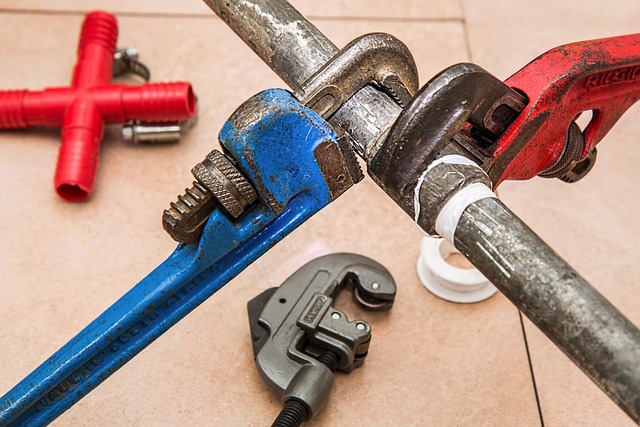
Taking on home repairs not only saves you money but also empowers you to tackle small issues independently. A well-stocked toolkit is your first step towards DIY success. Essential tools for home repairs include a variety of fixed and adjustable wrenches, screwdrivers (both flathead and Phillips), pliers, a hammer, measuring tape, a level, and a utility knife. These foundational tools allow you to handle everything from tightening loose bolts to replacing brake pads (diy brake pad replacement guide) or even fixing a cracked windshield (fix cracked windshield safely).
Focusing on specific areas like car electrical repairs diy can be particularly rewarding. A multimeter is an invaluable tool for diagnosing electrical issues, while a set of wire strippers and connectors helps with simple fixes and replacements. Online resources, such as detailed diy brake pad replacement guides, offer step-by-step instructions to ensure accuracy and safety. Remember, selecting the right tools is crucial; invest in quality items that will last.
Beyond the basics, consider specialized tools for common repairs. A set of socket sets with various sizes, for instance, makes it easier to tackle tasks like removing wheel hubs or replacing sensors. Similarly, a good set of screwdrivers with interchangeable heads can handle most fastening needs around the house or even in your vehicle. Regularly inspect and maintain your tools to keep them in top condition.
Embracing DIY auto repairs naturally doesn’t mean attempting every task yourself; it’s about gaining the knowledge and skills to know when and how to take on projects. Always prioritize safety, using personal protective equipment (PPE) like gloves and safety glasses when appropriate. Online forums and tutorials can provide valuable insights and serve as a second opinion for more complex jobs. With the right tools and mindset, you can save on repairs and develop a deeper understanding of your home and vehicle’s inner workings.
Diagnose Problems Using Online Resources

Diagnosing car issues yourself can seem daunting, but with the vast resources available online, it’s an achievable skill for many vehicle owners. Start by familiarizing yourself with common problems and their causes. Websites and forums dedicated to automotive DIY (Do-It-Yourself) repairs offer a wealth of knowledge, from simple tasks like charging a car battery or fixing a loose steering wheel to more complex procedures. For instance, a quick online search for “how to charge a car battery” yields numerous step-by-step guides with visual aids, making it an accessible process for even novice mechanics.
One of the key benefits of these digital resources is their accessibility and affordability. Many repair manuals and how-to videos are available free of cost, allowing you to save significantly on potential repairs. Online communities also provide a platform for troubleshooting, where experienced users can offer guidance and insights based on similar issues. For example, if your vehicle’s low tire pressure persists, an online search will yield various solutions, including methods to check and adjust the pressure, as well as DIY kits for repairing punctures.
Additionally, focusing on basic maintenance can prevent more serious—and costly—issues down the line. Regular checks, such as monitoring battery health and ensuring wheel alignment, are crucial. Online resources make it easy to stay proactive by providing timely reminders and informative articles. Remember, while DIY repairs can be cost-effective, complex or safety-critical issues should always be entrusted to qualified mechanics. However, understanding basic diagnostics empowers you to identify problems early, potentially avoiding costly unscheduled visits.
Prioritize Safety During Repair Processes

When tackling DIY auto repairs, prioritizing safety is paramount to prevent injuries and ensure effective problem-solving. Before diving into any repair process, a thorough assessment of your skills and the complexity of the task is crucial. For instance, while tasks like a DIY exhaust system repair or brake rotor replacement can be manageable for experienced individuals, fixing a blown head gasket may require specialized knowledge and tools. Misjudging these factors can lead to further damage or even hazardous situations.
For safer DIY repairs, it’s essential to equip yourself with the right tools, safety gear, and an understanding of automotive fundamentals. This includes knowing how to handle hazardous materials responsibly, such as motor oil or brake fluid. Regularly inspect your tools for wear and maintain them properly to ensure accuracy and prevent accidents. Additionally, adhering to manufacturer guidelines is vital, especially when working on intricate systems like engines or brakes. For instance, using the incorrect torque setting during a brake rotor replacement can compromise the braking system’s effectiveness.
Select DIY Auto Repairs, when approached with caution and the right preparation, can significantly reduce repair costs. According to a recent survey, approximately 65% of car owners opt for DIY solutions for minor repairs, saving them an average of $200 annually. However, it’s crucial to identify tasks within your comfort level and capabilities. For complex procedures, consulting with a professional mechanic or seeking guidance from automotive forums can be invaluable. Remember, staying informed and safe is the key to successful DIY auto repairs.
By assessing your DIY auto repair skills, creating a structured maintenance schedule, equipping yourself with essential tools, leveraging online diagnostic resources, and prioritizing safety, you can significantly reduce home repair costs. Select DIY Auto Repairs naturally for tasks within your comfort level and expertise, empowering you to take control of routine maintenance. This article has equipped you with the knowledge to navigate common issues, foster a proactive approach to vehicle care, and ultimately save on costly repairs.