

For novice auto enthusiasts, building a foundational toolkit with essential tools is key for basic DIY repairs like oil changes and jump-starting batteries. Understanding common components enhances skills. Specific tasks require additional tools. Diagnosing car problems through symptoms, visual inspections, and diagnostic tools is crucial. Prioritize safety for complex tasks; start with simple jobs like brake pad replacement and wheel alignment. Regular maintenance, including transmission fluid changes and air filter replacements, saves money and improves vehicle performance. Select DIY auto repairs, starting with simpler projects like replacing a fuel filter, to advance skills and ensure vehicle longevity.
In today’s world, understanding basic auto repair techniques can save you time, money, and potential headaches. For beginners, the vast landscape of car maintenance can seem intimidating, but mastering select DIY auto repairs is within reach with the right guidance. This article serves as a comprehensive resource, empowering you to tackle common issues confidently. We’ll demystify complex concepts, offer practical tips, and provide step-by-step instructions for various repairs, enabling you to enhance your automotive knowledge and skills. By the end, you’ll be equipped to navigate many minor auto problems effectively.
- Understanding Basic Auto Repair Tools and Equipment
- Diagnosing Common Car Problems: A Step-by-Step Guide
- Select DIY Auto Repairs: Safety Precautions and Best Practices
- Mastering Basic Maintenance Tasks for Optimal Vehicle Performance
- Troubleshooting Engine Issues: Common Causes and Solutions
- Enhancing Your Skills: Advanced Auto Repair Techniques for Beginners
Understanding Basic Auto Repair Tools and Equipment
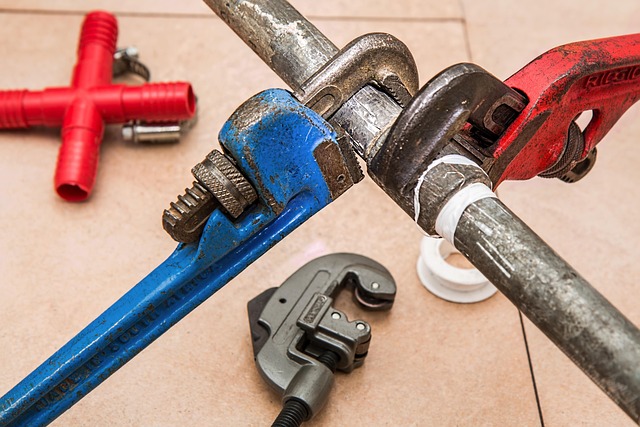
For the novice auto enthusiast, understanding basic auto repair tools and equipment is a crucial step on their journey towards DIY engine oil changes and other essential maintenance tasks. Begin by investing in a well-equipped toolkit tailored to your vehicle’s needs. Essential items include a set of good quality wrenches (both open-end and socket), pliers, screwdrivers (both flathead and Phillips), a multimeter for testing electrical components, and jack stands for safe lifting.
Navigating auto repair requires familiarity with common components and their functions. For instance, learning how to check and top up engine oil, a fundamental DIY auto repair, involves understanding the role of the oil pan, dipstick, and filler cap. Knowing how to jump start a car battery when it’s drained is another valuable skill. This process typically involves using your toolkit to connect jumper cables between a fully charged battery and the one in need of a charge, following specific steps for safe and effective connection.
Selecting the right tools makes tackling basic repairs like fixing a flat tire (a common occurrence) much smoother. Keep a spare tire, jack, and lug wrench in your vehicle at all times. Then, follow these straightforward steps: find the tire’s lug nuts, loosen them with the wrench while the car is on level ground, lift the car using the jack, remove the flat tire completely, replace it with the spare, tighten the lug nuts hand-tight, lower the vehicle, and finally, secure the spare with the wrench.
Beyond these fundamental tools, consider acquiring a quality grease gun for lubricating moving parts, a set of socket extensions for reaching tight spots, and an impact driver for faster and easier fastener removal. As you gain experience and confidence, your toolkit will evolve to meet the demands of more complex repairs, empowering you to take on a wider range of DIY auto repairs naturally.
Diagnosing Common Car Problems: A Step-by-Step Guide
Diagnosing common car problems is a crucial step for any beginner looking to take on DIY auto repairs. It’s an essential skill that can save you time, money, and potentially prevent more serious issues down the line. Let’s break down this process into manageable steps.
First, identify the symptoms. Is your car making unusual noises? Are there warning lights flashing on the dashboard? For example, a persistent noise from the engine bay might indicate a loose belt or failing bearing. Warning lights like a check engine light or battery icon could signal various issues, from an electrical problem to an emission control failure. Once you’ve noted these signs, consult your vehicle’s owner manual for common causes and potential solutions. Many manufacturers provide detailed troubleshooting guides specific to their models.
Next, perform a visual inspection. Walk around the car and look for any visible damage or unusual wear patterns. Check for leaks under the hood and in the trunk. For instance, a leaking coolant hose could indicate a low coolant level or a problem with the cooling system. Broken taillight lenses or damaged door seals are relatively common issues that can be easily replaced (DIY wheel alignment tips include regularly checking these seals to ensure they’re intact and properly sealed). If you’re comfortable, replace broken parts yourself; it’s a straightforward process that can save significant costs. Remember, replacing a taillight lens or reattaching a door seal is far less daunting than tackling an engine repair.
Lastly, use diagnostic tools for more complex issues. Modern cars come equipped with sophisticated onboard diagnostics (OBD) systems that provide real-time data about vehicle performance. Invest in a basic OBD scanner to read error codes and diagnose problems like a faulty mass airflow sensor or misfiring spark plugs. These insights can guide you towards the correct repairs, whether it’s replacing a part or addressing a system-wide issue. With practice, diagnosing car problems becomes more intuitive, empowering you to take on a range of DIY auto repairs, from simple replacements like broken taillight lenses and door seals to more involved tasks such as wheel alignment.
Select DIY Auto Repairs: Safety Precautions and Best Practices

Selecting DIY auto repairs can empower car owners with essential skills, saving time and money. However, safety must always be the top priority. Before tackling any repair, familiarize yourself with your vehicle’s systems and understand the potential risks involved. For instance, working on a car battery charging problem requires caution due to the risk of electrical shocks. Always discharge the battery and use insulated tools to prevent accidents.
Focus on tasks where you feel confident, starting with simple yet impactful repairs like replacing brake pads. A DIY brake pad replacement guide can provide step-by-step instructions, ensuring proper tool selection and safety precautions. This relatively straightforward process not only enhances braking performance but also gives you a deeper understanding of your vehicle’s mechanics. According to a study by AAA, regular brake maintenance can extend pad life by up to 50%, underscoring the importance of DIY efforts.
Another area where many car owners can safely tackle repairs is wheel alignment. Correctly aligned wheels improve handling and tire lifespan. DIY wheel alignment tips include using a wheel aligner or jack stands for accuracy, ensuring all components are properly adjusted, and checking for uneven wear on tires after adjustment. This straightforward procedure, when done correctly, can significantly impact your vehicle’s performance and safety, preventing costly misalignments down the line.
Remember, while Select DIY Auto Repairs can be rewarding, some tasks may exceed your expertise. If you encounter complex issues like engine repairs or advanced electrical problems, consult a professional mechanic to avoid causing further damage.
Mastering Basic Maintenance Tasks for Optimal Vehicle Performance
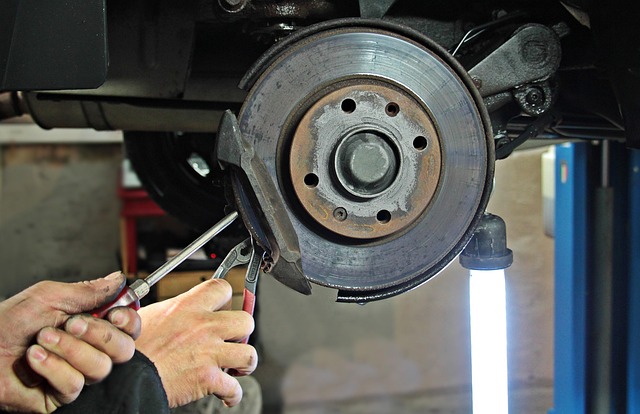
Mastering basic maintenance tasks is a crucial step for any beginner looking to take control of their vehicle’s performance and longevity. Simple DIY auto repairs can significantly enhance your driving experience, save you money, and foster a deeper understanding of how your car works. Common tasks like replacing brake rotors, changing transmission fluid, or fixing a flat tire are essential skills in every driver’s repertoire.
Let’s start with the essentials: brake maintenance. Brake rotors, which absorb heat and wear over time, should be inspected regularly for signs of corrosion or warping. If you notice vibrations while braking, it might indicate worn-out rotors. Replacing them is a moderately complex task but can be accomplished with the right tools and patience. For instance, using a jack and stand to safely lift your vehicle, locate the brake assembly, remove the old rotor, clean the mounting surfaces, install a new one, and ensure proper alignment. This simple DIY auto repair can significantly improve braking performance and safety.
Transmission fluid change is another fundamental maintenance procedure. Over time, this vital liquid degrades, leading to reduced gear efficiency and potential damage. Most modern vehicles have clearly marked intervals for fluid replacements, typically every 30,000 to 60,000 miles. The process involves draining the old fluid, replacing the filter, and topping up with fresh fluid specified by your vehicle manufacturer. This routine maintenance not only extends the life of your transmission but also ensures smooth gear changes.
Flat tire repair is an invaluable skill every driver should possess. When a tire goes flat, it’s essential to act swiftly. First, ensure your safety by moving to a secure location off the road. Then, gather the necessary tools: a spare tire, jack, lug wrench, and a set of wheel chocks (for added security). Carefully lift the vehicle using the jack until the flat tire is above ground level, then loosen the lug nuts with the wrench before removing them entirely. Once the tire is off, replace it with the spare, tighten the lug nuts, lower the vehicle, and secure the new tire with the wheel chocks if needed. This step-by-step process allows you to get back on the road quickly, minimizing potential hazards.
Troubleshooting Engine Issues: Common Causes and Solutions
Troubleshooting Engine Issues: Common Causes and Solutions for DIY Auto Repairs
Many common engine problems can be diagnosed and even fixed by dedicated beginners with a few basic tools and knowledge. Before diving into more complex auto repairs, addressing these issues is crucial to gaining confidence and ensuring your vehicle remains reliable. One of the first steps in troubleshooting is identifying unusual sounds, emissions, or performance indicators. For instance, a knocking noise could signal low engine oil, while a misfire may be caused by a faulty spark plug or damaged wiring. Regularly checking and replacing your car’s air filter is also a simple yet effective preventive measure; a clogged filter can restrict airflow, leading to reduced power and inefficient combustion.
Once you’ve narrowed down the potential issue, it’s time to consider practical solutions. If your engine is overheating, for example, check the coolant levels and ensure the radiator fan is functioning properly. A visual inspection of belts and hoses for cracks or wear can prevent costly replacements. When tackling old car interiors, replacing worn-out components like seat covers and floor mats not only enhances aesthetics but also addresses potential safety hazards. For simpler repairs, consider selecting DIY auto repairs kits tailored to common problems; these kits often include all necessary parts and clear instructions, making them accessible for novice mechanics.
In some cases, the solution may involve purchasing new parts. Keep a well-stocked toolbox with essential items like spark plugs, belts, and filters to facilitate quick replacements. Remember, safety is paramount; always consult professional manuals or seek guidance from experienced mechanics when dealing with complex systems. By familiarizing yourself with these basic troubleshooting techniques and investing in select DIY auto repairs tools, you’ll be better equipped to maintain your vehicle’s engine health and restore its performance.
Enhancing Your Skills: Advanced Auto Repair Techniques for Beginners

As a beginner in auto repair, enhancing your skills involves tackling more complex tasks beyond basic maintenance. One such area is advanced DIY auto repairs, which can not only save you money but also foster a deeper understanding of your vehicle’s inner workings. Selecting DIY auto repairs requires careful consideration and a willingness to learn. Start with simpler tasks like a diy fuel filter change, as this offers a good balance between challenge and reward. Not only is it relatively straightforward, but replacing the fuel filter regularly can significantly improve your car’s performance and efficiency.
Another area that can test your abilities yet yield great satisfaction is repairing a dented fender. While it might seem daunting at first, taking on this project allows you to develop valuable hand-eye coordination and learn about panel beating techniques. Online tutorials and how-to guides provide step-by-step instructions, making it easier to follow. Remember, safety should always be your top priority when working on your vehicle. Always wear appropriate personal protective equipment (PPE), such as gloves and safety glasses.
Fixing a misfiring engine presents a more intricate challenge but can be accomplished with the right tools and patience. A misfiring engine may spark randomly or fail to start at all, indicating issues with ignition coils, spark plugs, or fuel injectors. Diagnosing the problem involves monitoring engine parameters like cylinder pressure and voltage. Once identified, components like the spark plug wires or fuel injector can be replaced using readily available parts from auto supply stores. Regular maintenance, including timely repairs for a misfiring engine, not only ensures your vehicle’s longevity but also adds to your confidence as an auto repair enthusiast.
By mastering the fundamentals outlined in this article, beginners now possess a comprehensive toolkit to tackle everyday auto repair tasks with confidence. From understanding basic tools and diagnosing common issues to navigating advanced techniques, readers are equipped to enhance their vehicle’s performance and safety. The key takeaway is that select DIY auto repairs, when approached with proper precautions and best practices, can not only save costs but also foster a deeper understanding of one’s vehicle. Building on these foundational skills, further exploration into specialized areas will unlock even more capabilities, making self-reliance in automotive maintenance a rewarding and accessible reality.