
Select DIY Auto Repairs emphasize identifying radiator leaks through visual inspection, checking connections, hoses, and filters, and using tracer dye for subtle leaks. Early detection prevents costly repairs. Regular maintenance, including oil changes and tune-ups, extends component lifespans and reduces repair costs by up to 30%. Engaging in select DIY tasks like inspecting belts and replacing air filters offers significant financial benefits and optimal vehicle performance.
In the realm of DIY auto repairs, addressing a leaky radiator is a crucial skill to master. Radiators are the heart of your vehicle’s cooling system, and a leak can lead to significant damage if left unattended. Whether it’s a tiny crack or a worn-out seal, these issues can cause not only performance problems but also overheat situations posing safety risks. Thankfully, selecting DIY auto repairs as an approach offers a cost-effective solution for many car owners. This article will guide you step by step through the process of fixing that leak, empowering you to take control of your vehicle’s well-being and ensuring a cooler, safer ride.
- Assess and Identify the Radiator Leak
- Gather Tools and Materials for Repair
- Fix and Seal for Longevity: DIY Auto Repairs
Assess and Identify the Radiator Leak
Identifying a radiator leak is a crucial step before attempting any DIY auto repairs. Start by visually inspecting your radiator for any signs of damage or wear, such as cracks in the plastic tank or corrosion on metal components. Check for leaks at connections, gaskets, and hoses. A common source of leaks is an old or damaged fuel filter—a straightforward diy fuel filter change can prevent further fluid loss. If you notice a drip or persistent moisture around the radiator, it’s likely a leak is present.
Next, consider the location and frequency of the leak. Leaks from the top of the radiator often indicate issues with the upper hose or water neck gasket, while leaks from the bottom may signal problems with the lower hose or oil pan gasket. Regular maintenance tasks like tire rotation instructions and diy oil pan drain and refill can help prolong the lifespan of these components, reducing the risk of such leaks. Keep a close eye on your vehicle’s fluid levels; regular checks will help you catch potential issues early.
In some cases, the leak might be more subtle. If you’re suspicious but can’t pinpoint the source, consider using a tracer dye to detect leaks. This involves adding a colored dye to the cooling system and observing its movement through the components. By combining this method with careful observation, you can effectively map out potential problem areas. Remember, early detection is key; addressing even seemingly minor leaks promptly can save you from more significant—and costly—reparations down the line.
Gather Tools and Materials for Repair

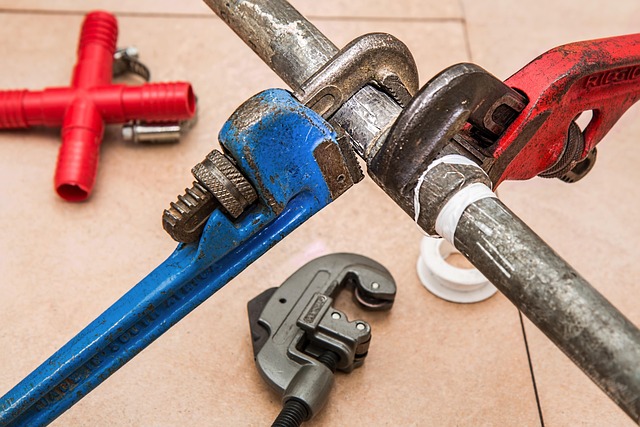
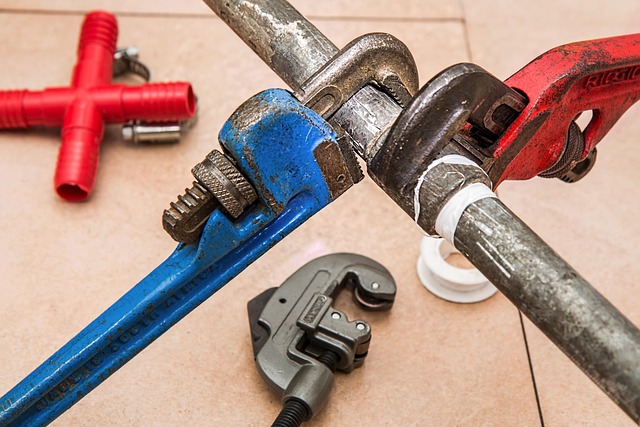
When addressing a leak in your radiator, the first step is to gather the right tools and materials for the repair. This includes a set of basic automotive maintenance tools such as wrenches, sockets, and pliers, along with specialized items like a coolant stop leak product, new O-rings or gaskets, and possibly a heat shield if necessary. It’s crucial to ensure compatibility with your vehicle’s make and model, making DIY auto repairs a viable option for many car owners. For instance, selecting the right cooling system components is essential; using subpar parts could lead to premature failure, while high-quality replacements can extend the life of your radiator.
In addition to these essentials, consider stockping fundamental automotive fluids like engine oil, brake fluid (for DIY car brake bleeding), and transmission fluid. Regularly scheduled maintenance tasks such as tire rotation instructions and oil changes not only improve vehicle performance but also prevent costly breakdowns. Data from industry experts shows that proper fluid maintenance can extend the lifespan of critical components by up to 50%. Moreover, learning how to change oil yourself is a valuable skill that empowers you to perform this vital service at home, saving time and money compared to frequent trips to the mechanic.
As you prepare for your repair, keep in mind that patience and precision are key. Taking the time to properly identify the source of the leak and ensuring all parts are sealed securely will prevent future issues. Remember, while DIY auto repairs can be cost-effective and rewarding, some tasks may exceed your comfort level or require specialized knowledge. In such cases, consulting a professional mechanic is advisable, especially for more complex jobs like radiator repairs that involve intricate cooling system components.
Fix and Seal for Longevity: DIY Auto Repairs

A leaking radiator can be more than just an inconvenience; it’s a sign of potential engine trouble. However, before you rush to a mechanic, consider that many radiators can be fixed and sealed yourself through select DIY auto repairs. This not only saves time and money but also provides valuable hands-on experience in vehicle maintenance. The key is understanding the root cause: whether it’s a damaged hose, a loose connection, or an underlying issue with your car’s cooling system.
One of the simplest and most common fixes involves a basic transmission fluid check. Radiators and transmission systems are closely linked; a leak in one could indicate contamination in the other. Conducting a regular transmission fluid check can help you catch potential problems early. For instance, if the level drops unexpectedly or there’s an unusual smell, it might signal a leak that needs immediate attention. Addressing these issues promptly through DIY auto repairs can prevent more serious damage down the line.
Another crucial aspect of radiator maintenance is an engine tune-up at home. This involves checking and replacing air filters, inspecting belts for wear and tear, and ensuring the cooling system is functioning optimally. For instance, a dirty air filter can restrict airflow, causing the engine to work harder and potentially leading to leaks. By performing regular tune-ups, you not only extend the life of your vehicle but also gain confidence in handling basic repairs yourself. Moreover, learning how to change oil yourself every 3–6 months is an invaluable skill. This crucial maintenance task isn’t just about changing a filter; it involves checking for any signs of damage or unusual wear, which could indicate broader engine issues that require attention.
In the world of DIY auto repairs, taking proactive measures like these can save you from costly mechanic bills and ensure your vehicle remains in top shape. Remember, while some tasks might seem daunting at first, gaining proficiency through practice is rewarding and empowering. For instance, data from consumer reports shows that regular maintenance by owners can reduce repair costs by up to 30%. Therefore, fixing and sealing your radiator yourself, along with other DIY repairs, not only extends the life of your vehicle but also represents significant savings over time.
By systematically assessing and identifying radiator leaks, along with gathering the necessary tools and materials, you empower yourself to undertake Select DIY Auto Repairs with confidence. These key steps—assess, gather, fix, and seal—form a robust framework for addressing and preventing future leaks. Through this process, you not only extend the lifespan of your vehicle’s radiator but also gain valuable hands-on automotive maintenance experience, solidifying your position as a capable and knowledgeable car owner.