
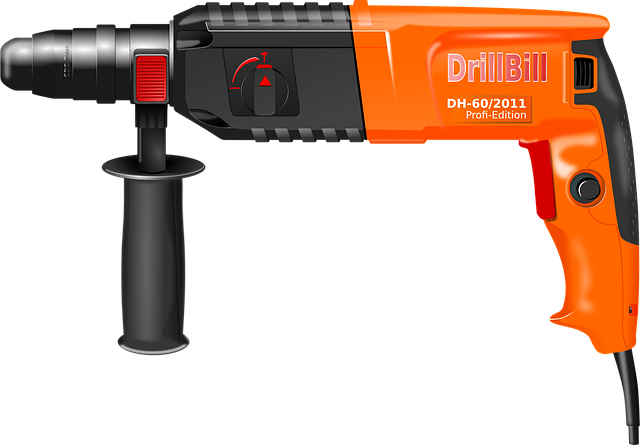
Understanding your vehicle's transmission is crucial for selecting DIY auto repairs. Key components include the gear box and differential. Regular maintenance, like a transmission flush, boosts performance and longevity. Before starting, gather tools, materials, and accessoriess. Perform a flush with care, following precise instructions. After, maintain low speeds and check fluid levels regularly. Proper driving habits and garage cleanliness further enhance transmission health.
In today’s digital era, many car owners are looking to take control of their vehicle maintenance, particularly when it comes to DIY auto repairs. One routine yet often overlooked task is the transmission flush – a crucial process for ensuring your car’s smooth shifting and longevity. Over time, transmission fluid can become contaminated, leading to reduced performance and potential costly repairs down the line. This article serves as an authoritative guide on performing a DIY transmission flush, equipping readers with the knowledge and step-by-step instructions to tackle this essential maintenance task naturally and efficiently.
- Understanding Your Vehicle's Transmission: Basics and Components
- Gather Tools and Materials for DIY Transmission Flush
- Step-by-Step Guide: Preparing and Performing the Transmission Flush
- Post-Flush Maintenance and Tips for Select DIY Auto Repairs
Understanding Your Vehicle's Transmission: Basics and Components
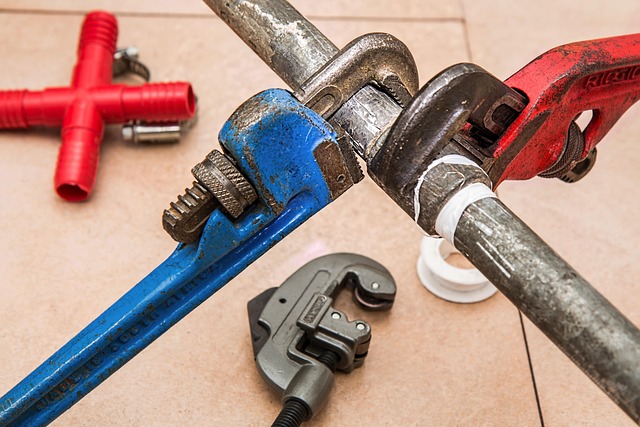
Understanding your vehicle’s transmission involves grasping its intricate basics and components—a crucial step before considering any DIY auto repairs. The transmission is responsible for delivering power from the engine to the wheels, allowing your car to shift gears smoothly. It comprises several key parts, each playing a vital role in this process. For instance, the gear box houses multiple gears that mesh together to alter torque and speed, while the differential acts as a gear-changing mechanism for each wheel, enabling smooth turns.
Knowing these fundamentals is essential when tackling select DIY auto repairs. Take, for example, repairing a loose steering wheel—a common issue linked to transmission components like the steering rack or tie rods. Similarly, car brake bleeding diy can be approached with a basic understanding of the hydraulic system, which relies on fluid flowing through lines connected to calipers and wheel cylinders. Even tasks such as repairing a dented fender require insight into structural components, as well as knowledge of safety procedures to ensure proper alignment and paint job afterwards.
While some transmission repairs can be tackled by experienced DIY enthusiasts, complex issues often necessitate professional attention. Modern transmissions are sophisticated pieces of engineering, with computer-controlled systems that require specialized tools and diagnostic equipment. Moreover, neglecting proper maintenance can lead to costly failures—a reminder that a solid grasp of your vehicle’s inner workings is invaluable for both safety and savings.
Gather Tools and Materials for DIY Transmission Flush
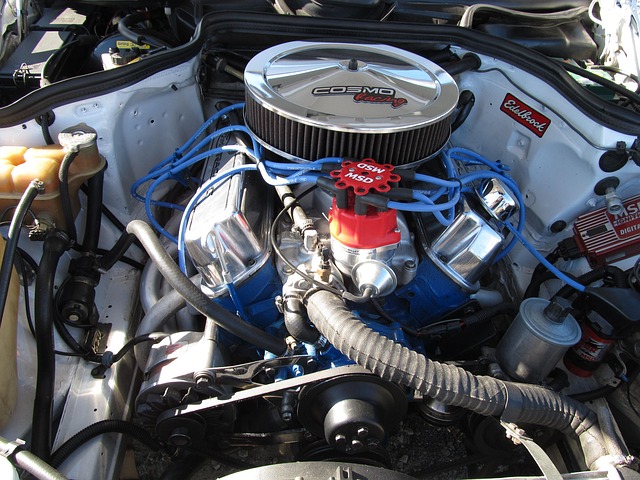
When considering DIY auto repairs, a transmission flush is one task that can significantly enhance your vehicle’s performance while saving you substantial costs. Before diving in, ensure you have the right tools and materials at hand. This involves selecting suitable fluid types, such as automatic transmission fluid (ATF), along with specialized equipment like drain pans, plug tools, and a jack for lifting the car safely. For a comprehensive flush, also prepare to replace any worn components, including gaskets and seals, which can be acquired from automotive parts stores or online marketplaces.
Complementing your transmission flush kit will be essential accessories for other related repairs. Tools like a set of wrenches, socket sets, and ratchets are indispensable, regardless of the task at hand. For instance, a fuel filter change, another DIY project that improves engine efficiency, relies on these tools. Moreover, consider having a basic exhaust system repair kit handy—a simple yet effective way to enhance your car’s overall health. Remember, proper preparation is key to successful DIY auto repairs.
Don’t forget the lesser-known yet crucial components, such as car window tint and fuel line connectors. While not directly related to the transmission flush, these additions can significantly impact your vehicle’s longevity and comfort. For example, window tint installation not only enhances privacy but also provides UV protection for your interior and reduces heat buildup. Combining these DIY projects allows you to tackle multiple tasks simultaneously, optimizing your time and resources.
Step-by-Step Guide: Preparing and Performing the Transmission Flush

Performing a DIY transmission flush involves several precise steps to ensure optimal vehicle performance. First, gather all necessary tools and fluids specific to your vehicle’s make and model. This process usually requires a transmission flush kit, which includes specialized chemicals, a drain pan, and possibly a special tool for removing the transmission fluid plug. Safety is paramount; wear protective gear like gloves and eye protection throughout the procedure. Start by locating the transmission fluid fill/drain ports, typically found under the vehicle near the transmission. Park on a level surface, engage the parking brake, and allow the engine to cool before beginning.
Next, follow these step-by-step instructions:
1. Drain the Transmission Fluid: Remove the transmission fluid plug and allow the existing fluid to drain completely into your drip pan. This step is crucial for removing any contaminated or old fluid. Ensure you catch all the fluid for proper disposal or recycling, as some fluids may be hazardous waste.
2. Clean the Drain Ports: Thoroughly clean the drain ports with a wire brush or specialized cleaner to eliminate any debris or sediment buildup. This prevents blockages and ensures efficient fluid flow during refilling.
3. Prepare the Transmission Flush Solution: Mix the recommended transmission flush solution according to your vehicle’s requirements. Typically, this involves adding the appropriate amount of flush solution to a container with fresh transmission fluid from a bottle. Always follow manufacturer guidelines for the correct mixture.
4. Refill and Circulate: Pour the prepared flush solution into the transmission through the fill port. Start the engine and let it run for a few minutes, then turn off again. Repeat this cycle several times to circulate and clean the system effectively.
Regularly scheduled transmission flushes, like fixing a low tire pressure or safely addressing a cracked windshield, are essential for maintaining your vehicle’s drivetrain health. Just as with diy exhaust system repair, proper maintenance can extend the lifespan of your transmission, preventing costly repairs down the line.
Post-Flush Maintenance and Tips for Select DIY Auto Repairs

After successfully performing a DIY transmission flush, proper post-flush maintenance is crucial to ensure longevity of your vehicle’s drivetrain. Begin by allowing the transmission to run for at least 15-20 minutes at low speeds, gradually increasing acceleration to help the new fluid circulate effectively. Next, check all fluid levels again and top off as needed. Regularly monitoring these levels—typically every 3000-5000 miles or per manufacturer recommendations—is key to preventing premature wear and potential transmission failure.
Among various select DIY auto repairs, fluid checks and replacements are often overlooked yet vital. For instance, a check engine light diagnostic can sometimes point towards transmission issues, prompting a flush. Similarly, car window tint installation, while not directly related, requires access to components under the vehicle’s body, which might necessitate checking transmission fluid levels beforehand. Furthermore, if you’re considering DIY exhaust system repair, ensuring proper transmission health is prudent; an old or faulty exhaust system can lead to increased internal temperatures, potentially damaging transmission fluids and components.
In addition to regular checks, there are several tips to enhance the longevity of your transmission. Avoid sudden stops and starts, as well as aggressive driving, which can prematurely wear down fluid and components. Regularly drive at moderate speeds to allow the transmission to operate smoothly. Also, maintain a clean garage environment to prevent foreign debris from entering the transmission, avoiding unnecessary stress on the system. Lastly, for those comfortable with more advanced DIY auto repairs, periodically checking and replacing filter screens can significantly improve fluid flow and overall transmission health.
By understanding your vehicle’s transmission system and its components, along with the correct tools and materials, you can successfully perform a DIY transmission flush. The step-by-step guide outlines the preparation and execution process, ensuring a thorough flush for optimal performance. Post-flush maintenance is key, and the article provides valuable tips for select DIY auto repairs to keep your transmission in top condition. This comprehensive approach empowers car owners with the knowledge to maintain their vehicles effectively, saving time and money while ensuring reliable transportation.